





 Subscribe


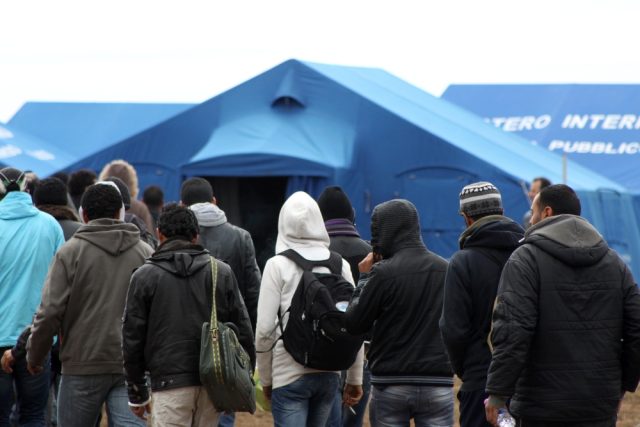
In June 2026, on the sidelines of the European Council meeting in Brussels, an informal meeting was held to analyze the future prospects for the EU’s migration policy. The meeting represented a further step in the process of defining innovative tools for managing migration flows and highlighted the growing consensus among many Member States on the need to strengthen the effectiveness of policies to combat irregular immigration.
THE EUROPEAN COMMISSION’S CONTRIBUTION AND NEW INTERNATIONAL CHALLENGES
During the meeting, European Commission President Ursula von der Leyen outlined the EU’s main lines of action on migration. Particular attention was paid to the potential migratory repercussions resulting from the evolving crisis in the Middle East, considered one of the main sources of instability capable of influencing population movements towards the European continent. The Commission highlighted the need for a coordinated and timely response from the Union, capable of preventing any extraordinary migratory pressures and ensuring adequate tools to address emergency situations. In this context, discussions among European leaders focused on the need to rapidly translate political guidelines into operational measures.
RESULTS ACHIEVED IN RECENT MONTHS
The meeting provided an opportunity to assess the progress made by the EU in the area of migration. Among the most appreciated achievements were the establishment of a European list of safe countries of origin and the introduction of the new concept of safe third country, tools intended to impact the procedures for managing applications for international protection. Further progress was identified in the adoption of the Chisinau Declaration on Migration and the achievement of a political agreement on the new Return Regulation, considered essential for strengthening the credibility of the European system. Also significant was the inclusion, in the negotiations on the next Multiannual Financial Framework, of a specific reference to the Union’s financial support for innovative solutions in the migration field.
ITALY’S ROLE IN THE EUROPEAN DEBATE
Italy played a particularly significant role both in promoting the meeting and in defining the political priorities that emerged during the discussions. Prime Minister Giorgia Meloni emphasized the need to move beyond the purely regulatory phase and to proceed rapidly with the concrete implementation of the new provisions, with particular reference to the Return Regulation. Italy’s position is part of a broader strategy aimed at making the tools for combating irregular immigration more effective and increasing the number of repatriations of those who do not meet the legal requirements to remain in the Union. From this perspective, Rome presents itself as a key player in experimenting with new operational methods, capable of being subsequently replicated at the European level. The importance of the Italian initiative is also evident from the reference to a joint letter promoted by the Prime Minister herself together with the Danish Prime Minister and signed by seventeen other Heads of State and Government of the European Union. The document highlights the desire to consolidate the political consensus built in recent years and accelerate the implementation of concrete projects.
INNOVATIVE SOLUTIONS AND COOPERATION WITH THIRD COUNTRIES
One of the central aspects of the discussion was the identification of innovative tools to be developed in collaboration with third countries. The stated objective is to reduce incentives for irregular migration, counter the economic models of criminal organizations engaged in human trafficking, and increase the effectiveness of repatriation procedures. According to the approach shared by the signatories of the letter, the determination of who can enter and remain in European countries must continue to be entrusted to democratic institutions, preventing the migration phenomenon from being influenced by the activities of traffickers or used as a tool for political pressure.
THE ITALY-ALBANIA EXPERIENCE AS A MODEL OF REFERENCE
Among the initiatives already underway, particular attention was paid to cooperation between Italy and Albania, cited as one of the first concrete experiences of applying the new European strategies. The promoters consider the project an operational laboratory from which to draw useful insights for the development of further similar tools. The letter also highlights how several other Member States are considering establishing facilities and hubs in third countries, following the path paved by ongoing initiatives. In this context, Italy is taking on a political and administrative leadership role, contributing to the testing of innovative models destined to influence the future of European migration policies.
TOWARDS A NEW PHASE OF EUROPEAN MIGRATION POLICY
The conclusions of the informal summit in Brussels indicate the desire to move from a phase of legislative development to a period characterized by the concrete implementation of the measures adopted. The signatory states of the letter expressed their belief that only tangible results can strengthen citizens’ trust in European institutions and demonstrate the effectiveness of new policies. In this perspective, the interested Member States were encouraged to develop further partnerships with third countries, while the European Commission was asked to continue providing political, technical, and financial support. In this process, Italy has established itself as a major player in the European debate, promoting concrete initiatives and making a decisive contribution to the definition of the Union’s future migration strategies.