


 Subscribe


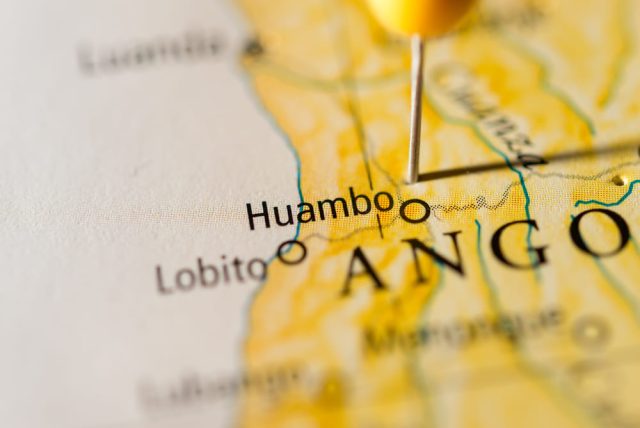
Webuild’s selection as the preferred bidder for the construction of the Zambian section of the new Lobito Corridor railway marks a significant milestone in Italy’s strategy for economic cooperation with Africa. The initiative, promoted by the Africa Finance Corporation (AFC), is part of the Mattei Plan for Africa and strengthens the involvement of Italian companies in the development of the continent’s strategic infrastructure. Webuild has been chosen to lead a consortium that includes Portugal’s Mota-Engil and Turkey’s İçtaş, both holding a 30% stake. This outcome stems from a cooperation process initiated in 2024, during the G7 Summit in Borgo Egnazia, when Italy—alongside Angola, Zambia, the European Union, the United States, and the African Development Bank—signed a memorandum of understanding regarding the corridor. Italy’s participation has been supported by coordination between the Italian Government, Cassa Depositi e Prestiti (CDP), and SACE, in collaboration with various African and international financial institutions.
TECHNICAL SPECIFICATIONS AND ECONOMIC IMPACT
The Zambia-Lobito Railway project entails the construction of approximately 831 kilometers of new railway line connecting Zambia and Angola. Lot 1B, which has been awarded to the consortium, covers a 517-kilometer section in Zambia, stretching from the Angolan border to Chingola in the Copperbelt province—a key mining hub for the country. The route will traverse areas currently lacking large-scale railway infrastructure and will include 22 bridges and viaducts, eight stations, and three maintenance depots, all designed to accommodate high volumes of freight traffic. The line will connect, across Angolan territory, to Luacano, where it will join the Benguela Railway—an existing, operational infrastructure currently undergoing upgrades. This system will provide access to the Atlantic port of Lobito and improve connectivity between production areas in Central Africa and international markets. According to project estimates, the time required to transport goods from the Copperbelt to global markets could be reduced from 16 to seven days, with total economic benefits for Zambia and Angola valued at approximately three billion dollars.
CRITICAL MINERALS, TRADE DIVERSIFICATION, AND REGIONAL INTEGRATION
The link between the Angolan port, the mining districts of the Democratic Republic of the Congo, and the extraction areas of Zambia encompasses territories that hold significant reserves of copper, cobalt, and other minerals essential for the energy transition. Greater logistical efficiency can help reduce transport costs, support the development of local supply chains, and improve the integration between extractive activities, industry, and international trade. Furthermore, the corridor introduces a westward trade route, providing an alternative to the traditional outlets on the Indian Ocean. This diversification can expand the logistical options available to the countries involved, strengthening their connection to global markets and contributing to the security of supply chains. Consequently, this infrastructure is considered a priority within the framework of the G7, the Partnership for Global Infrastructure and Investment (PGII), and the European “Global Gateway” initiative.
INDUSTRIAL OPPORTUNITIES FOR ITALY AND THE EUROPEAN UNION
The selection of Webuild could represent a turning point for Italy’s economic presence in Africa, particularly through the involvement of its domestic supply chain of small and medium-sized enterprises. The opportunities extend beyond construction to include engineering, logistics, technological services, agriculture, and activities related to the processing and commercialization of critical minerals. Indeed, the “Mattei Plan” aims to consolidate a cooperation model that links infrastructure investment with the creation of jobs, skills, and added value in partner countries. For the EU, the project offers a concrete opportunity to align African development goals with the objectives of trade diversification and European industrial resilience. The participation of European companies, supported by financial and institutional instruments, can help make the Mattei Plan and the Global Gateway complementary, avoiding the fragmentation of initiatives and fostering a shared strategy.
GOVERNANCE AND IMPLEMENTATION PROSPECTS
Africa Finance Corporation, the African multilateral financial institution promoting and developing the initiative, worked with the governments of Angola and Zambia to coordinate the authorizations, harmonize national priorities and accompany the project towards the implementation phase. The designation of Webuild, however, remains subject to the conclusion of the technical, commercial and legal negotiations, which are scheduled to start in November 2026. The Lobito Corridor can therefore become a testing ground for international cooperation based on productive investments and shared benefits. Its ability to transform rail connectivity into industrial development, regional integration and greater security of supply will determine the scale of the results. For Italy and the EU, the Zambian route already constitutes a strategic opportunity to consolidate lasting economic relations with Southern Africa, combining industrial interests, sustainability and equal partnership.