





 Subscribe


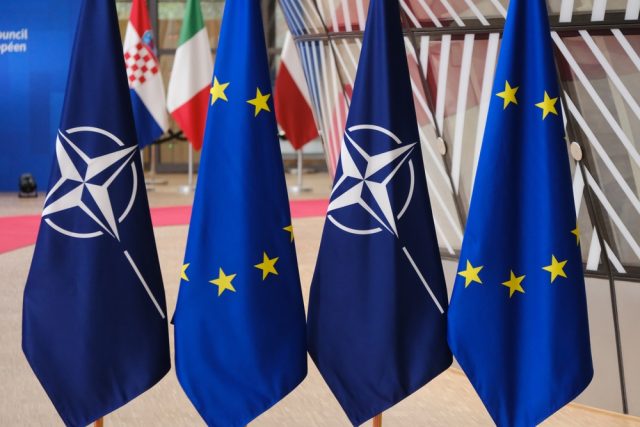
The NATO Summit in Ankara represents a significant moment in the Atlantic Alliance’s evolution, highlighting how industrial cooperation and technological investments have become central elements of the collective security strategy. Even before the political meetings between heads of state and government began, the Defense Industry Forum focused on the need to increase defense sector production capacity, accelerate technological innovation, and convert member states’ financial commitments into concrete military instruments. The initiative is part of an international context characterized by profound transformations in warfare scenarios and the allies’ desire to demonstrate, including to the United States, their ability to assume a more decisive role in developing their own defense capabilities. In this perspective, European Union countries are emerging as leaders in this new phase of investment, thanks to the contribution of their respective defense industries and growing multinational collaboration.
THE EUROPEAN UNION AT THE CENTER OF NEW INVESTMENT PROGRAMS
The decisions announced by NATO Secretary General Mark Rutte outline a strategy in which European states will play a key role in both industrial and technological development. The new initiatives aim to leverage the manufacturing capabilities of EU member states by promoting shared programs involving European and North American companies in the development of advanced military systems. Among the projects presented are a program to expand strategic transport and air-to-air refueling capabilities, as well as additional industrial agreements designed to strengthen transatlantic cooperation. Added to these is the joint purchase of strategic drones by four allied states, a further example of a policy focused on sharing resources and integrating operational capabilities. According to Rutte, the Alliance’s economic strength must translate into concrete military capability through investments in defense plans, missile systems, drones, and interceptors. The goal is to create fully integrated production capabilities within NATO, summarized by the phrase “Made in NATO.”
THE CENTRALITY OF DRONE WARFARE IN NEW STRATEGIES
The most economically significant program is the Drone Edge initiative, which is expected to mobilize approximately $40 billion over five years. This investment stems from the need to strengthen the Alliance’s ability to address the threats posed by remotely piloted systems, which have become a key component of contemporary conflicts. The project is not limited to the acquisition of new platforms, but also envisions the construction of an integrated ecosystem comprising advanced sensors, detection systems, electronic warfare tools, interceptors, and technologies dedicated to neutralizing unmanned aircraft. At the same time, member states have committed to a fivefold increase, by the end of 2027, the number of operators specialized in the use of drones, recognizing that personnel training is an essential element alongside technological innovation. These choices reflect lessons learned during the war in Ukraine and other recent conflicts, in which relatively cheap and easily produced drones have profoundly changed the way military operations are conducted, forcing a review of both the offensive and defensive capabilities of Western militaries.
RENEWAL AND EUROPEAN CONTRIBUTION
Overall, the investments presented at the Ankara Summit highlight how strengthening NATO’s military capabilities increasingly depends on the active participation of European Union countries, which are called upon to play an increasingly decisive role both industrially and technologically. By promoting multinational cooperation programs, developing shared production capabilities, and supporting innovation in the defense sector, EU member states are significantly contributing to the Alliance’s modernization process, fostering greater integration between their respective national industries and consolidating Europe’s technological base. The announced initiatives also demonstrate how collective security is no longer based solely on increased military spending, but requires the construction of an integrated system capable of combining research, development, industrial production, and specialized personnel training. From this perspective, the adoption of advanced technologies, the expansion of production capacity, and the strengthening of cooperation between European and North American partners are essential elements to ensure an effective response to the challenges posed by contemporary conflicts and evolving emerging threats. The involvement of European industries in the development of new surveillance systems, the development of drone technologies, and the production of strategic platforms demonstrates the growing centrality of the EU within the Alliance’s defense planning. This approach contributes not only to increasing interoperability between member states but also to strengthening the resilience of Europe’s industrial base, promoting investments designed to produce lasting technological, economic, and strategic impacts. From this perspective, the decisions adopted in Ankara represent a significant step in NATO’s adaptation to the changing international geopolitical context. Strengthening industrial and technological cooperation among the Allies, supported largely by contributions from European Union countries, is one of the main tools through which the Alliance intends to consolidate its deterrent capacity and maintain its long-term operational effectiveness, addressing more promptly the challenges posed by evolving global security scenarios.