





 Subscribe


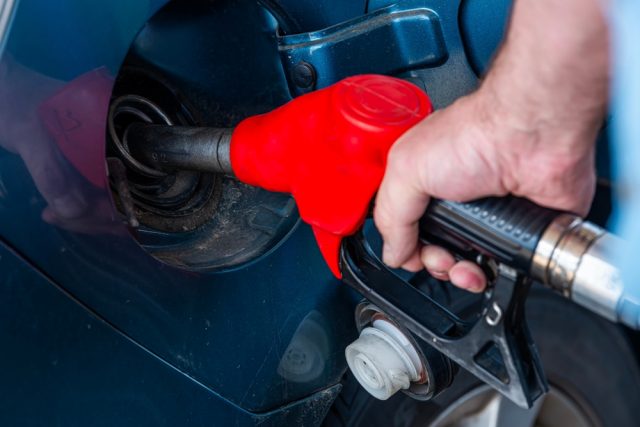
The fuel crisis of Europe has worsened during 2026, due to the unstable situation in Iran and the Strait of Hormuz. The transport of oil through these waters has just about been halted completely, resulting in a situation that has been described as the worst oil crisis the world has seen – even outweighing the 1970s crises. This is a streak of terrible luck for Europe, which has problems across its energy sector, and which is further paralysed by increasingly unaffordable gasoline and diesel.
For politicians, this is a major headache. Governments tend to claim ownership of economic upswings, but that also means that they are held accountable for economic downturns. A rising cost of living resulting from wars, even on a different continent, can often tip a weak government into an out-right crisis. Many countries have felt the effect of this over the course of the 2020s, which has been characterised by global uncertainty and violence.
In Sweden, the Social Democrats lost power in 2022 partly to this dynamic. The succeeding government, constituted by the centre-right Moderates, Christian Democrats, Liberals, and supported by the nationalist Sweden Democrats, is determined to not repeat this mistake, and thus embarked on an effort to combat both the rising price of electricity and of fuel during 2025. Entering 2026 and the war in Iran, they seem to have hit a roadblock.
The government announced a temporary cut to fuel taxes in March, which took effect starting in May. Due to the low-regulation fuel policy the government has been pursuing since 2022, it has been difficult to go even lower – Sweden by this point has some of the cheapest petrol in all of Europe, after having had the most expensive fuel four years earlier. The roadblock that is the international fluctuations of the price of oil is only matched by the EU’s regulations; the Union mandates a minimum just over 0,3 euros per litre, for both gasoline and diesel. In order to leave no stone unturned, the Swedish government applied at the European Commission for a temporary exemption from this bottom line.
This can be viewed critically as a performative act by the government; the common practice of the EU is not to entertain deviations, especially not if they are as politically charged as the question of fossil fuels. The EU must maintain its stringency in accordance with the climate goals, and it was thus very unlikely that they would grant an exemption. The Swedish government, fully aware of this, used this opportunity only to exonerate themselves if their tax cut did not pay off. The blame can then be shifted toward the EU, which often acts as a cushion for Swedish politicians when they are out of options.
The opposition criticised the tax cut plan on these very grounds. They would rather have seen a wider effort to address the cost of living through various welfare projects, by targeting food retailers, and escaping fossil fuel dependency by subsidising the electrification of Swedish traffic. The leader of the opposition, the Social Democratic leader Magdalena Andersson, confidently claimed in a major television debate that the EU will not approve further Swedish tax cuts, instead stressing other means to curb the cost of living.
Only two days after said debate, the European Commission approved the government’s request for an exemption, the minister of Finance Elisabeth Svantesson announced proudly. Whatever the expectation of the government was, their fuel plan paid off, and they now have room to manoeuvre should the fuel crisis accelerate from this point. The positive response from the European Commission will serve to vindicate the government’s fuel policy, which has been severely criticised by the left as being regressive and damaging to climate goals. If ordinary people can be saved from cost surges of up to 0,4 euros, or 4 Swedish kronor, per litre, it will increase the government’s chances of getting re-elected in September.
But why did the European Commission bless the Swedish government with this generous act? After all, fuel and transport policy is central to the green transition, and the political imperative to shift away from fossil fuels is high on the agenda in both the EU and its member countries. At least rhetorically.
Likely this is a result from mounting pressure on the Commission from member states besides Sweden, and potentially on other powerful actors in the Union as well, such as political parties, and businesses. The overbearing green agenda has done much to harm Europe’s energy stability, and been ruinous to private economies. In the current political landscape, where issues such as military defence, national security, the economy, growth, and even immigration are much more important than the climate, it would not reflect well on Brussels to cling onto massively unpopular, and ultimately symbolic, policies. Out of necessity, to ensure its survival the coming decades, the EU had to give in to the fossil-fueled “regressives”.