





 Subscribe


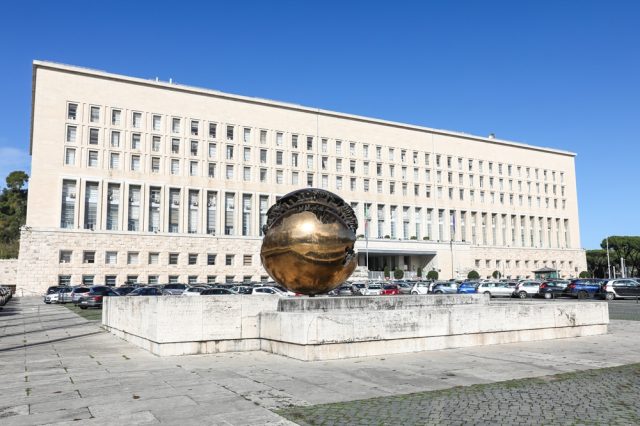
The Italy-Kenya Action Plan for 2026-2029 represents a significant step in strengthening bilateral relations between the two countries, forming part of the broader Mattei Plan for Africa. The initiative stems from already well-established relations and aims to systematize comprehensive cooperation spanning political, economic, technological, and security areas. The Kenyan President’s official visit to Rome on April 20 marked a crucial moment in defining a shared strategy, highlighting Kenya’s centrality as a key partner in sub-Saharan Africa and a privileged interlocutor for European policies.
STRENGTHENING POLITICAL AND MULTILATERAL DIALOGUE
One of the cornerstones of the Plan is the intensification of political dialogue through regular meetings and consultations between the Ministries of Foreign Affairs. This mechanism aims to strengthen coordination on global issues, including migration, technological innovation, climate change, and sustainable development. Cooperation in multilateral contexts is particularly important, with a focus on strengthening peace and security both on the African continent and internationally. Within this framework, there is a clear alignment with the priorities of the European Union, particularly regarding the stabilization of neighboring regions and the management of transnational challenges.
ECONOMIC COOPERATION AND TRADE INTEGRATION
On the economic front, the Action Plan aims to increase trade and promote mutual investment, enhancing the role of the private sector. Kenya is recognized as one of the most dynamic economies in sub-Saharan Africa, and trade growth is also supported by the Economic Partnership Agreement with the European Union. Planned initiatives include business support, the promotion of bilateral economic forums, and the development of strategic sectors such as infrastructure, sustainable energy, agribusiness, and manufacturing. Special attention is paid to modernizing the leather supply chain and promoting sustainable tourism, considered a driving force for economic growth and cultural exchange.
SUSTAINABLE DEVELOPMENT AND THE MATTEI PLAN
The partnership is fully aligned with the Mattei Plan, with a focus on food security, climate resilience, and supply chain sustainability. Sectors such as coffee and the blue economy play a central role, as do the implementation of circular bioeconomy models and integrated waste management. Cooperation also extends to infrastructure development, both physical and digital, with a particular focus on transportation and telecommunications. In this context, the interaction between the Mattei Plan and the European Global Gateway highlights an interesting strategic convergence, particularly in the project to extend the Blue Raman Cable to East Africa, strengthening connections between Europe, the Middle East, and Asia.
INNOVATION, TECHNOLOGY, AND SPACE
Another pillar of the Plan concerns collaboration in science and technology. The promotion of joint research projects and institutional partnerships is accompanied by a strong commitment to the field of artificial intelligence, developed through the AI Hub for Sustainable Development. Kenya emerges as a strategic partner for the application of innovation in key sectors such as energy, education, and agribusiness. Furthermore, space cooperation is being strengthened through the expansion of the Malindi Space Center, which is set to become a continental hub of excellence and training, consolidating Italy’s presence in the African aerospace sector.
EDUCATION, EXCHANGES, AND SOCIAL DIMENSION
The Plan places great importance on human capital development, promoting technical education and vocational training programs. Academic cooperation and exchanges between universities and research centers are key tools for fostering the transfer of knowledge and skills. At the same time, dialogue between local communities and the involvement of young people are encouraged, including through twinning and cultural initiatives, helping to strengthen ties between the two countries’ civil societies.
SECURITY AND DEFENSE IN THE REGIONAL CONTEXT
Security occupies a central role in the Action Plan, as demonstrated by the signing of a specific defense agreement. Cooperation focuses on shared challenges such as maritime security and counterterrorism, while respecting territorial sovereignty. In a regional context characterized by instability, Kenya is recognized as a key player in the peace and stabilization processes in East Africa, in line with Italian and European strategic interests.
IMPLICATIONS FOR THE EUROPEAN UNION
The Italy-Kenya Action Plan 2026-2029 is a model of integrated cooperation that goes beyond the bilateral dimension, fitting into a broader European strategy towards Africa. Alignment with instruments such as the Global Gateway and the Economic Partnership Agreement highlights Italy’s role as a bridge between the European Union and the African continent. Kenya’s centrality as an economic, technological, and logistical hub strengthens the prospects for regional integration and contributes to building a more balanced and sustainable Euro-African partnership.