


 Subscribe


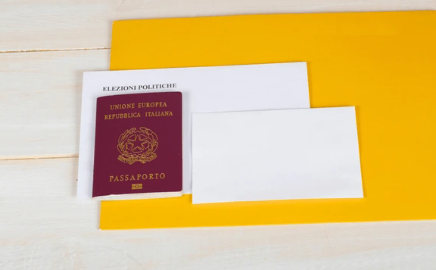
The renewal of the Committees of Italians Abroad (Comites) represents a crucial moment for the exercise of representative democracy overseas. The Comites form the fundamental bridge between the vast community of Italian nationals residing abroad and the diplomatic-consular network, acting as spokespersons for social, cultural, educational, and integration needs. However, the main challenge of recent elections does not concern only the electoral outcome, but above all voter turnout.
Over the past two decades, the demographics of Italian emigration have changed radically. Alongside the historic emigrant communities, a “new mobility” has emerged, composed of young professionals, students, researchers, and digital workers. This demographic and social change requires more flexible, representative, and modern institutions capable of addressing the needs of a dynamic electorate that is often disconnected from traditional forms of political representation.
The Bottleneck of the Opt-in Voting System
One of the main hurdles for electoral participation in the Comites elections is the mechanism of mandatory advance registration on the voters’ list (the so-called opt-in system).
Unlike general political elections or referendums—where the voting packet is automatically mailed to all citizens registered in the AIRE (Registry of Italian Citizens Residing Abroad)—for the Comites, citizens must make an explicit request to their Consulate to receive the ballot paper.
The basic process requires being registered in AIRE for at least six months, making an explicit application for registration on the voters’ list via the Fast It portal, email, or certified email (PEC), after which the voting packet is sent to the voter’s home address.
This formal procedure, originally designed to reduce postal costs and minimize the risk of lost electoral materials, has turned out to be a strong disincentive to turnout. Many citizens end up realizing the deadline for registration has passed only after the process has closed, effectively being excluded from their right to vote.
Digitalization and Simplification: The New Rules
To combat voter apathy and facilitate democratic access for communities abroad, the diplomatic-consular network and the Ministry of Foreign Affairs and International Cooperation (MAECI) have introduced several administrative and technological innovations:
-
Fast It Portal Integration: Registration on the voters’ list can be completed directly online through the consular services portal, drastically reducing time and bureaucracy.
-
Digital Identity (SPID and CIE): The adoption of SPID credentials and the Electronic Identity Card allows for immediate and secure identification of citizens, eliminating the need to send scanned paper documents and signed paper identity documents.
-
Testing Electronic Voting: Regulatory discussions and trials conducted in recent years aim at the gradual introduction of online voting, overcoming the historic shortcomings of traditional postal voting.
Beyond Voting: Relaunching the Perceived Value of the Comites
Bureaucratic simplification is a necessary condition, but it is not enough. To ensure that participation does not fall, it is essential that citizens perceive the concrete value of the Comites in their local area of residence.
A Comites perceived as a purely formal body will struggle to mobilize voters. On the contrary, when the Committee becomes a reference point for guiding newcomers, protecting workers’ rights, promoting the Italian language and culture, and fostering dialogue with local foreign authorities, voter participation benefits directly.
This includes impact across several key areas: welcoming and administrative support for local integration, assistance for Italian schools and language courses for youth, and building professional networks between Italian workers, researchers, and businesses.
Conclusion
The challenge for the renewal of the Comites is not fought on the regulatory level alone, but above all on the institutional capacity to communicate and engage. The adoption of more accessible digital platforms like Fast It and the drive toward leaner, more inclusive representation are essential steps. The true success of the elections will depend on the awareness each Italian citizen abroad develops regarding the fundamental role these bodies play in defending democratic rights beyond national borders.