





 Subscribe


Private Facebook groups are buzzing with law grads and practicing lawyers posting daily tips: which forms to file first for maximum allowances, how to phrase appeals to stretch asylum processing into years of rent subsidies and medical coverage, even which NGOs hand out the quickest cash cards. One admin, a Bucharest-based attorney barely out of university, shares screenshots of “success stories”: families landing full housing benefits plus monthly stipends within a month. Comments flood in: grateful migrants tagging friends, others asking for private consultations (fees implied). It’s not hidden, it’s organized. These aren’t free advice sessions. They’re entry points to a side business built on navigating Romania’s and the EU’s support systems. The locals funding it through taxes? Often the same young Romanians now undercutting their own job hunts.
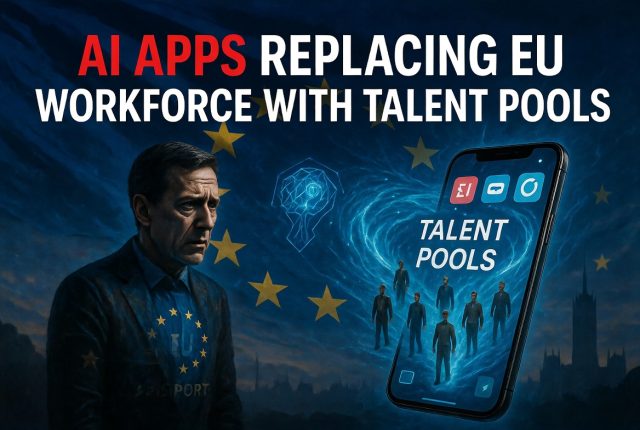
This grassroots hustle mirrors what’s scaling up at the European level, only with prettier interfaces and bigger budgets. On March 10, 2026, the European Parliament voted overwhelmingly (414 in favor, 182 against) to greenlight the EU Talent Pool. It’s a shiny, continent-wide digital platform meant to connect employers facing “shortages” with pre-screened jobseekers from outside the EU. For faster matching for “in-demand” roles in healthcare, construction, tech, transport. Voluntary for countries, free for users, and already drawing commitments from places like Germany and Poland. But peel back the brochure language and it looks a lot like streamlined workforce replacement. In Eastern Europe especially, where wages lag and youth unemployment bites, the “shortages” often hit sectors locals could fill if pay and conditions improved. Instead, the platform funnels in recruits who arrive with built-in support networks ready to help them claim every entitlement while they settle into those jobs.
And those support networks? They’re getting a turbo-boost from Brussels-funded tech. Take VINCE, the Virtual Integration Home app, launched in January 2026 with EU Interreg money from a Finnish-Swedish project. It’s not a simple dictionary or map tool. This is an AI-powered pocket guide: create an avatar, enter virtual rooms, get instant language help, and, most importantly, AI chatbots that point you straight to local benefits, housing aid, stipends, job-center programs, even NGO contacts. Need to know how to apply for child allowances or medical cards in your native tongue? Ask VINCE. Struggling with paperwork? It smooths the path with text-to-speech and templates. Project leads describe it as “evolving integration support” for a mobile, diverse Europe. Critics see something else: a taxpayer-financed accelerator that teaches newcomers how to maximize welfare access from day one, keeping them eligible longer while they eye Talent Pool openings.
The timing couldn’t be sharper. The full EU Migration and Asylum Pact kicks in on June 12, 2026, less than three months away. National implementation plans are mostly filed since the Commission dropped its five-year strategy in January. Borders get stricter screening, asylum rules harmonize, solidarity payments shift pressure to countries like Romania (wealthier states can pay instead of relocate). Faster processing sounds good until you realize it means quicker entry into the support pipeline for those who qualify, plus expanded databases and “safe country” lists that still leave room for drawn-out appeals. In practice, more legal and semi-legal arrivals, more access to layered benefits, more strain on already tight national budgets amid inflation and demographic squeeze.
Picture daily reality in a place like Iași or Timișoara. A Romanian mechanic’s daughter finishes vocational training, only to see hospital aide positions filled via Talent Pool matches, newcomers who used VINCE (or local lawyer groups) to secure integration grants, language courses, even job-training subsidies. Next door, the migrant household stacks child benefits, rent help, and free clinics, while the native family delays doctor’s visits to cover utilities. It’s not theoretical; it’s grocery budgets, rent notices, skipped opportunities.
Supporters argue shortages are real and managed migration fills gaps humanely. True enough in isolation. But when policy pours cash into apps that coach benefit maximization, when lawyer networks in Romania turn welfare navigation into profit, taxpayers aren’t just helping genuine cases. They’re bankrolling a parallel track where newcomers ramp up faster than locals can catch up.