





 Subscribe


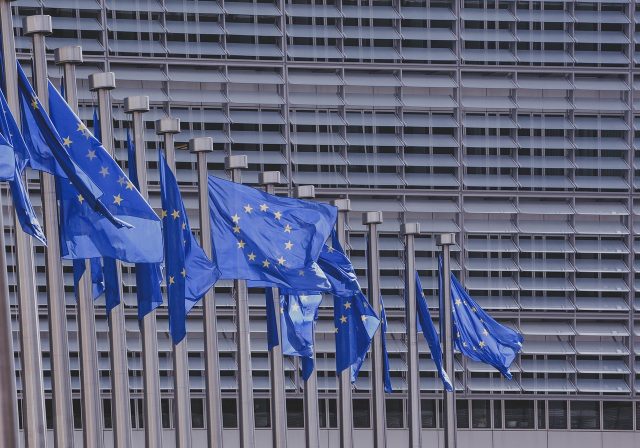
At the start of this year, the European Union is going through one of the most complex and tense periods in its recent history, in which climate ambitions, economic imperatives, and geopolitical realities are intersecting in a way that is increasingly difficult to manage. In an open letter addressed on the 17th of March to European Commission President Ursula von der Leyen, Mateusz Morawiecki, president of the European Conservatives and Reformists Party, proposes a thorough reassessment of the current direction of European climate policies. Morawiecki draws attention to the major risks to industrial competitiveness. Beyond the political dimension of the initiative, the arguments put forward open an essential debate about the future of the European development model and the Union’s ability to remain relevant in a global economy undergoing increasingly rapid transformation.
It is well known that over the past two decades, the European Union has built its global identity around the idea of climate leadership by promoting ambitious policies and taking on a pioneering role in the fight against climate change. Thus, the emissions trading system, known as the EU ETS, has become a central instrument of this strategy, designed as a market-based mechanism capable of reducing emissions in an efficient and flexible manner. In theory, this system provides companies with economic incentives to invest in cleaner technologies by setting a price on carbon emissions and allowing the market to determine the most efficient ways to reduce emissions. However, economic developments in recent years have revealed the limitations and side effects of this mechanism, while the sharp rise in energy costs for industry has become one of the most visible consequences. While European companies are forced to bear high costs for energy and carbon emissions, their competitors in the United States or Asia benefit from much more favorable conditions. Unfortunately, this discrepancy creates a structural imbalance that affects the competitiveness of European industry and influences companies’ strategic decisions. The problem is not limited to cost levels but also stems from a lack of predictability. The emissions trading market has become extremely volatile, and this instability complicates long-term planning for companies. Instead of functioning as a strategic guidance tool, the mechanism risks becoming a source of uncertainty, prompting companies to adopt a defensive approach focused on immediate survival at the expense of long-term investments—which is why criticism regarding the influence of financial actors on the market takes on particular relevance. The transformation of emission allowances into a speculative asset raises legitimate questions about how the system operates and its ability to serve the objectives for which it was created.
Against the backdrop of these developments, a worrying trend is emerging of a decline in European industrial capacity in strategic sectors. The chemical and steel industries, which are essential to the functioning of the modern economy, have seen a significant decline in their share of global production. At the same time, economies such as China’s have strengthened their market position by benefiting from lower costs and more flexible industrial policies. This development cannot be explained solely by the dynamics of globalization, but can be seen as a reflection of the impact of domestic policies on competitiveness.
The phenomenon of relocating production to regions with more lenient regulations—known as “carbon leakage”—thus becomes a central issue because, rather than reducing global emissions, European policies risk redistributing them geographically by shifting production outside the Union without effectively eliminating sources of pollution. This situation highlights the limitations of a unilateral approach to a global problem and underscores the need for more effective international coordination. At the same time, it must be acknowledged that the European Union has succeeded in significantly reducing greenhouse gas emissions; however, these results must be analyzed in a global context, where rising emissions in other regions have largely offset European efforts. This paradox raises fundamental questions about the effectiveness and sustainability of the current model. To fully understand these developments, we must place them within a broader global context in which the world economy is undergoing a profound transformation, characterized by intensified competition among major economic blocs and the reconfiguration of supply chains. The United States and China are adopting active industrial strategies, combining direct support for industry with favorable energy policies. At the same time, Europe appears to be following a distinct path, based on regulation and market mechanisms; however, this approach risks becoming a vulnerability in an increasingly competitive global environment.
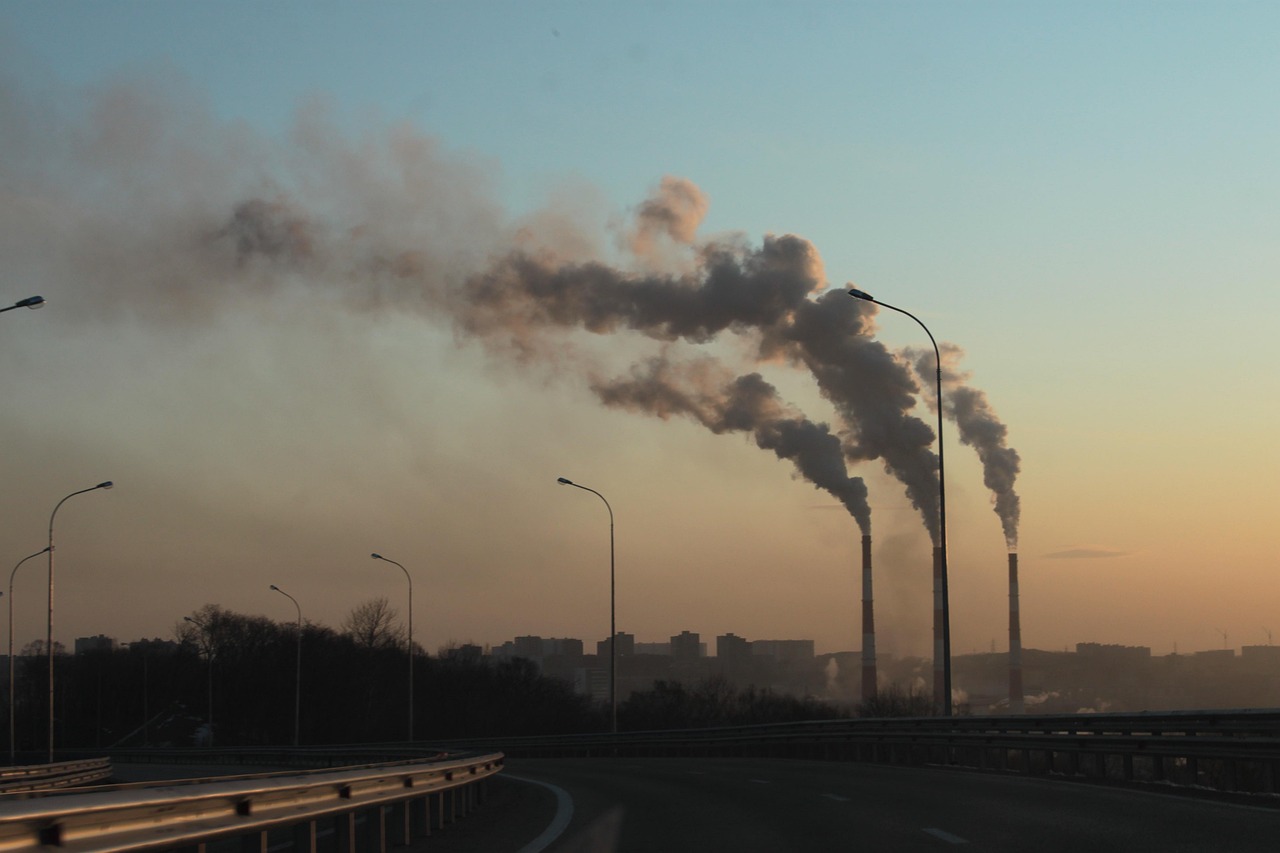
Another key element of this analysis is the geopolitical dimension of the industrial crisis. Recent events, such as the wars in Ukraine and Iran, have highlighted the importance of energy security and strategic autonomy. The decline in domestic industrial capacity is not merely an economic issue but can also be viewed as a security concern, as industry is not only a source of goods and jobs but also a key element of geopolitical power. At the European Union level, these challenges are amplified by the diversity of economic structures and differences in priorities among member states. The economies of Central and Eastern European countries, which are more dependent on energy-intensive industries, feel the impact of rising energy costs more acutely, while Western economies can absorb these shocks more easily. This divergence complicates the decision-making process and makes it difficult to build consensus around major reforms. The role of European institutions thus becomes crucial, and Ursula von der Leyen and her team must manage these tensions and strike a balance between climate goals and the need for economic competitiveness. At the same time, the European Parliament and the Council of the European Union reflect a diversity of opinions and interests, which makes the decision-making process complex and sometimes slow. The reform proposals put forward in the open letter will need to be analyzed. Introducing a cap of 20 euros per ton of carbon dioxide emitted, limiting the U.S. or even eliminating speculative financial actors’ access to the emissions trading market, maintaining free allowances for energy-intensive industries beyond 2034 to prevent Europe from becoming an industrial museum, and creating mechanisms to link emissions costs to investments in clean technologies are measures that represent a genuine concern for competitiveness. Although some of these proposals may be controversial, they raise fundamental issues that cannot be ignored indefinitely. At the same time, it is essential that any reform be carried out in a balanced manner that does not compromise long-term climate goals. The challenge lies in finding a model that integrates sustainability and competitiveness, avoiding both excessive rigidity and premature relaxation of standards. Looking ahead, the European Union faces several strategic options, and maintaining its current course could strengthen its role as a climate leader, but at the same time risk exacerbating the loss of European industrial competitiveness on the global stage. A recalibration of policies could support the industry, but it would raise questions about the commitment to climate goals. A third option, which we can describe as far more ambitious, would involve the deep integration of climate, industrial, and technological policies within a new development model. Regardless of the path European leaders choose, it is clear that the current status quo is no longer sustainable. Global transformations and internal pressures demand a rethinking of current strategies, which is why the debate sparked by the ECR President’s letter plays an important role, aiming to clarify the issues and stimulate strategic reflection.
Ultimately, the stakes of this debate go beyond the scope of current climate policies because it concerns the future of the European Union as an economic and political project. Its ability to combine climate ambition with economic competitiveness will determine not only the European Union’s position in the global economy, but also its internal cohesion and its legitimacy in the eyes of its citizens. We must all recognize that Europe is at a moment when it must redefine its priorities and adapt its tools to the realities of a changing world, and this redefinition of priorities is not a choice between environmental protection and economic development, but a challenge to integrate them in a coherent and sustainable manner. The response to this challenge will define the European Union’s trajectory in the years to come and will determine whether it succeeds in remaining a relevant player in an increasingly competitive and complex world. This is precisely why Europe needs strategic clarity, pragmatism, and political courage, because the time for declarations is over, and the time for action has arrived. Only through a balanced approach, one that takes into account both economic realities and global responsibilities, will the European Union be able to turn current challenges into an opportunity for consolidation and reinvention and once again become what it once was: the engine of the global economy.