





 Subscribe


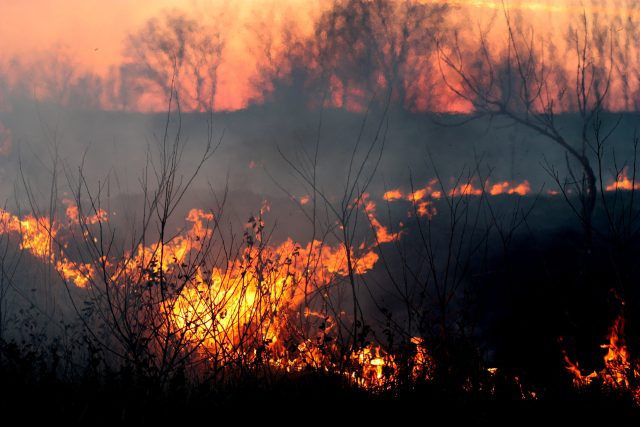
Wildfires have become an increasingly serious issue in Cyprus in recent years, with the relevant authorities and government officials once again seeking effective solutions. Whether in urban areas or the countryside, fires have evolved into one of the country’s most pressing challenges, prompting extensive efforts by the competent authorities every summer.
But are these efforts enough? Can we now say that the wildfire problem is beginning to be brought under control? What more is truly needed for us to feel safe?
According to figures released publicly, the Cyprus Fire Service responded to 7,154 fire incidents in 2025.
One important factor in the Republic of Cyprus’ firefighting efforts is that, during the summer season, it has a total of 13 aerial firefighting assets at its disposal.
What the Data Shows
According to the latest detailed statistics published by the Cyprus Fire Service for 2024, the authorities responded to a total of 6,717 fires across the island. Of these, 3,280 were countryside (wildland) fires, while 3,437 were urban fires.
One particularly concerning finding is that human activity was responsible for more than 90% of all fires, making it by far the leading cause.
Countryside (Wildland) Fires
It is important to note that the total number of countryside fires declined in 2024. A total of 3,280 wildland fires were recorded, representing a 4.32% decrease compared with 3,428 fires in 2023.
However, the data also shows increases during certain months. Wildland fires rose by 12.96% in February and 13.49% in March, largely due to the prolonged dry conditions experienced during the winter season.
In addition, fires increased by 29.35% in May, mainly because of Easter traditions involving bonfires, as well as the burning of unwanted materials in rural areas during the holiday period.
According to the Fire Service’s report, many of the fires recorded during the summer months are linked to the common practice of farmers burning crop residues after harvesting.
The report further reveals that 78.74% of countryside fires in 2024 (2,583 out of 3,280) resulted from illegal or unauthorized lighting of fires, highlighting the significant role of human negligence and unlawful activity.
Urban Fires
Urban fires increased by 6.71% in 2024. A total of 3,437 urban fires were recorded, compared with 3,221 in 2023. The locations most frequently affected included vacant plots of land, motor vehicles, private homes, apartment buildings, and refuse bins.
The Damage Left Behind
One of the most devastating consequences of wildfires in Cyprus is the destruction of natural landscapes. In 2024, approximately 16.47 square kilometres of countryside were burned. This represented a reduction of 4.79 square kilometres compared with 2023.
Despite the reduction in burned area, the economic cost of fire damage increased significantly in 2024.
According to the Cyprus Fire Service, total damages amounted to €29,580,390. Of this amount, €26,702,420 resulted from urban fires, while €2,877,970 was attributed to countryside fires.
By comparison, total fire-related damages in 2023 amounted to €9,525,145, including €8,444,580 from urban fires and €1,080,565 from countryside fires.
Human Casualties
The total number of people who were rescued, injured, or lost their lives due to fires in 2024 reached 61, compared with 66 in 2023.
The Cyprus Fire Service carried out 35 rescues from fires in 2024, compared with 25 the previous year. Meanwhile, 22 people were injured, down from 36 in 2023, while four people lost their lives, compared with five fatalities the year before.
A Challenge That Requires Collective Action
The figures clearly demonstrate that both urban and countryside fires remain one of Cyprus’ most difficult and persistent challenges. Addressing the problem requires close cooperation between the relevant authorities and the public. After all, human activity remains the primary cause of the devastating fires that continue to leave scorched landscapes and lasting damage across the island.
It is almost certain that, regardless of the efforts made by the Cypriot state and successive governments, the problem of wildfires will continue to worsen unless citizens also play their part in addressing their causes. Without public cooperation, Cyprus will continue to face devastating environmental and economic losses. When the human toll is also taken into account, it becomes clear that urgent and effective solutions are needed.