


 Subscribe


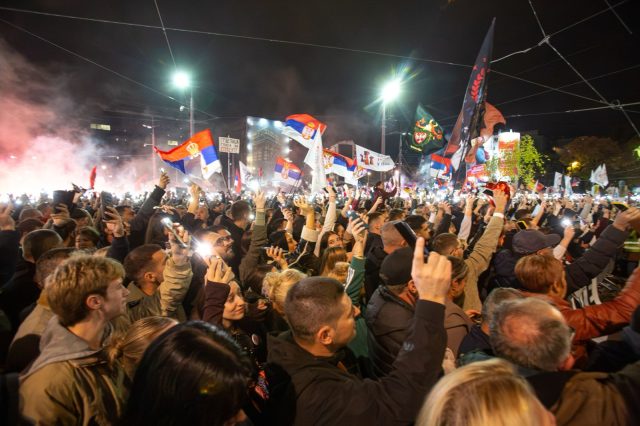
The protest movement has prevailed at the ballot box. Now it must prove it can retain the country’s trust when difficult decisions have to be made. The Student List’s victory in the parliamentary elections on 25 October brings a long chapter of Aleksandar Vučić’s rule to a close and opens a new phase that deserves attention, without automatic enthusiasm or preconceived suspicion. A democratic transfer of power is good news. What the winners intend to do with that power remains the decisive question.
It all began in Novi Sad, with the collapse of the railway station canopy in November 2024: sixteen deaths, a tragedy that became a symbol of allegations of corruption, secrecy and unaccountable government. From that wound grew a movement capable of reaching beyond university campuses and winning nationwide support. Vučić conceded defeat. The movement secured the mandate it had sought: to change the way the state operates.
Yet interpreting the result through imported political categories would be a mistake. Students are not necessarily left-wing. Protest does not automatically mean progressivism. The list brought together different political outlooks around shared objectives: tackling corruption, restoring institutional independence and ensuring fair electoral conditions. Its strength lay precisely in its ability to set aside divisions that might have fractured the opposition to the government. An effective electoral strategy must now become a programme for government.
A conservative observer can therefore recognise the value of this change without giving the winners a blank cheque. Demanding transparent public procurement, an independent judiciary and the right to peaceful protest means demanding credible institutions. A strong government must answer for its decisions. National sovereignty loses its meaning when it becomes confused with immunity from scrutiny for those who hold power.
There are clear European positions on these issues. The European Conservatives and Reformists Group helped table the European Parliament’s October 2025 resolution condemning repression in Serbia and demanding accountability for Novi Sad. The text called for the release of detained peaceful protesters and measurable progress on the rule of law. This approach supports concrete democratic safeguards without implying a political affiliation between conservatives and the student movement.
Those safeguards must now protect the defeated as well. The test of this transfer of power will be the creation of institutions that can withstand the next change of government. That requires rigorous investigations, transparent procedures and individual responsibility established through due process. The promise to free the state from political control will be tested through appointments, relations with the media and judicial independence. Every political transition carries the risk of replacing one system of loyalty with another.
Then comes foreign policy. The movement has kept several divisive questions in the background, including relations with Moscow, Kosovo and European integration. Governing will leave less room for ambiguity. Serbia will have to explain what relationship it wants with Brussels and how it intends to manage its ties with Russia and China. Fighting corruption provides an important foundation, but it cannot resolve the country’s strategic contradictions on its own.
The European Union must also avoid shortcuts. Welcoming an election result does not justify passing judgment on reforms before they happen. Accession requires results, reliable institutions and responsible relations with neighbouring countries. The ECR Group has also stressed the need to address responsibility for the wars of the 1990s and respect their victims. These questions will remain open regardless of who becomes the next prime minister.
The economy will demand the same seriousness. Mobilisation will give way to budgets, investment, public services and social expectations. A coalition built against a system will need a positive reason to remain united. Its leaders will have to set priorities, explain costs and accept that some voters may disagree. The credibility of change will also depend on resisting the temptation to promise everything to everyone.
The students won by demanding transparency, justice and accountability. Now they will be responsible for delivering them. They must establish the truth about Novi Sad, tackle corruption and explain the place they envisage for Serbia in Europe. Voters have entrusted them with a mandate for change. Their task now is to turn it into results.