





 Subscribe


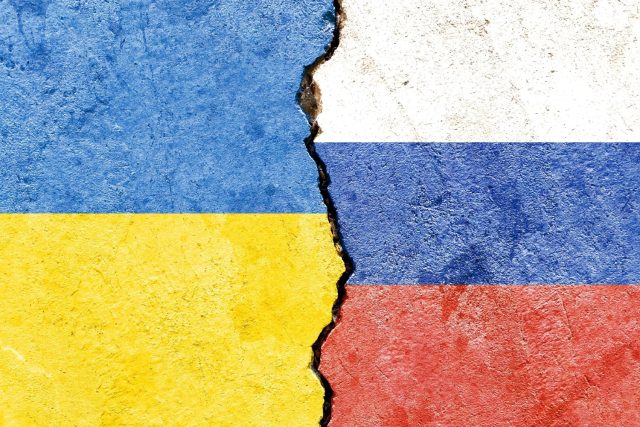
One of the most pressing and difficult problems facing Europe is the war in Ukraine, where a diplomatic flurry has prevailed in recent weeks regarding continued US support for Ukraine.
The United States’ position on the war in Ukraine has now changed, with Washington seeking an immediate ceasefire, an end to the fighting, and the start of negotiations. This shift comes after a lengthy period during which the United States was Ukraine’s principal financial backer and provider of military assistance.
Today, American policy is moving away from the approach of providing continuous support until Ukraine achieves victory and is instead focusing on finding a compromise through diplomatic means.
For this reason, Donald Trump himself has repeatedly threatened to freeze military assistance to Kyiv if the Ukrainian leadership refuses to participate in peace talks.
At the same time, strict restrictions have been imposed on the use of American weapons systems, alongside delays in deliveries, prompting strong reactions from Ukraine and President Volodymyr Zelenskyy.
It is worth noting, however, that in recent years, and specifically since 2022, when Russia launched its full-scale invasion, numerous actions by Russian forces have been documented and reported by international organizations such as the United Nations, the International Criminal Court, and independent humanitarian organizations. These actions have been described as war crimes and crimes against humanity. Such crimes must not go unpunished, as they constitute a clear violation of a state’s territorial integrity and an affront to Europe itself and to humanity as a whole.
A characteristic example is the attacks against civilians and infrastructure. Specifically, following the withdrawal of Russian troops from Bucha, in the Kyiv region, in the spring of 2022, mass graves and the bodies of civilians were discovered in the streets. Several of the victims bore signs of execution, with their hands tied behind their backs.
At the same time, Russia employed indiscriminate bombardment in populated urban areas, causing the deaths of hundreds of civilians. For this reason, Russia has been accused of systematically targeting civilian infrastructure, with strikes hitting hospitals, schools, power-generation facilities, and shelters.
Another important issue to highlight is the use of torture and sexual violence, including the abuse of prisoners of war. According to reports by the United Nations itself, there is evidence of the systematic use of torture, electric shocks, and beatings against both Ukrainian prisoners of war and civilians in territories under Russian occupation. Of particular concern is the fact that dozens of cases of rape and sexual abuse involving women, men, and children by Russian soldiers have also been documented.
Indeed, one of the most heinous alleged war crimes is the abduction and transfer of children to Russia. Thousands of children from Ukraine were unlawfully transferred to Russian territory or to areas under Russian control. This led the International Criminal Court to issue an arrest warrant against Russian President Vladimir Putin.
The crimes committed against Ukraine do not end there. Since 2022, when Russia launched its invasion of Ukraine, there have also been reports of looting, cultural destruction, and the theft of cultural property, including the removal of artefacts and works of art from Ukrainian museums.
Although the Russian side has consistently denied these allegations, testimonies from journalists and reports by international organizations have repeatedly challenged those denials.
The Ukrainian front is not only a thorn in Europe’s side but also a test of the limits of the European Union itself and the United Nations, as we face the revisionist ambitions of a major power—Russia—challenging an already established territorial status quo.
The European Union has a duty to support Ukraine through both military and economic assistance, continuing to supply Kyiv with military equipment and providing financial aid packages, while also tightening sanctions against Russia.
If Ukraine is abandoned to its fate, the message will be clear: revisionism can use war and military invasion to create territorial faits accomplis.