





 Subscribe


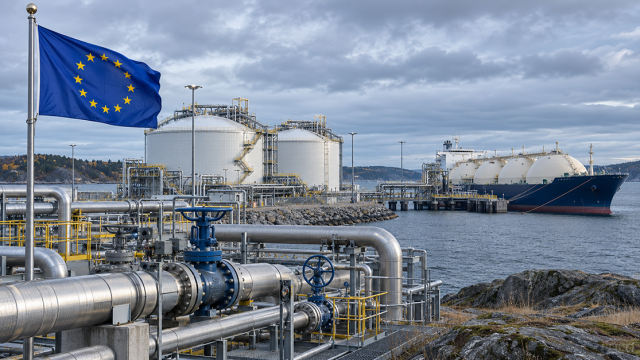
Provisional agreement gives energy suppliers more preparation time as Brussels balances climate ambitions with security of supply.
The European Union has provisionally agreed to postpone key methane requirements for fossil fuel imports until 2029, giving energy suppliers two additional years to prepare for tighter scrutiny. The compromise reflects Brussels’ effort to reconcile climate commitments with concerns about energy affordability and security during a period of global market volatility.
Under the agreement, obligations concerning the monitoring, reporting and verification of methane emissions associated with imported crude oil, natural gas and coal would apply from January 1, 2029, instead of January 1, 2027. The measure still requires formal approval by the Council and European Parliament, with adoption and entry into force expected before the end of 2026.
The distinction between those dates matters. The amendment can become law this year while moving the application of specific requirements further into the future. It does not mean that the entire European methane framework is being introduced for the first time in 2029, or that all its provisions have been suspended.
European institutions present the postponement as practical flexibility for operators rather than a retreat from emissions reduction. The additional preparation period is intended to help companies and authorities develop the tools needed to demonstrate compliance across international supply chains. However, its environmental value will depend on whether that time produces better implementation and measurable progress.
A second deadline also changes under the provisional deal: methane intensity reporting for importers and EU producers would begin on August 5, 2030, instead of August 5, 2028. Such reporting concerns the emissions associated with production, helping distinguish between supplies that may look identical commercially but carry different methane footprints.
The European Commission must review implementation by January 1, 2028. That assessment will examine measurement, reporting and verification arrangements, progress in reducing emissions from imported fossil fuels, the availability of independent verifiers and possible consequences for supply security. It will provide an important checkpoint before the revised import requirements become applicable.
Methane deserves particular attention because its climate effects are concentrated over a relatively short period. According to the International Energy Agency, it is responsible for around 30 percent of the rise in global temperatures since the Industrial Revolution. It remains in the atmosphere for roughly 12 years, far less than carbon dioxide, making rapid reductions especially relevant to limiting warming in the near term.
For the EU, the challenge extends beyond emissions released within its borders. Fossil fuels consumed in Europe can generate methane losses during extraction and processing overseas. Import requirements seek to make those upstream emissions visible to European buyers and regulators, giving the bloc a way to influence environmental practices through its demand for energy.
Yet translating that ambition into reliable information is complicated. Gas can pass through multiple companies and infrastructure systems before reaching its destination. Buyers need evidence that connects emissions data to the production behind their supplies. Independent verification matters because comparable standards are essential if reported improvements are to support credible purchasing decisions.
The postponement therefore creates a policy tradeoff. More preparation could improve compliance and reduce administrative friction. Conversely, delaying mandatory scrutiny risks weakening incentives to improve transparency quickly. Neither outcome is automatic: much depends on investment, enforcement preparation and cooperation between European authorities, importers and producers during the intervening years.
Technical solutions already exist. The IEA identifies leak detection and repair, equipment replacement and recovery of vented gas among effective options. Capturing methane can also preserve fuel that would otherwise be lost, linking environmental improvements with more efficient resource use.
Europe’s test is now whether extra time strengthens delivery. The 2028 review should help reveal whether institutions and companies are resolving practical obstacles. Until formal approval is complete, the agreement remains provisional. Once adopted, its credibility will rest on turning a delayed timetable into reliable emissions information and sustained reductions across the supply chains serving Europe’s energy market, while preserving the climate purpose behind the regulation. That balance will shape the EU’s wider energy policy debate.
Alessandro Fiorentino