





 Subscribe


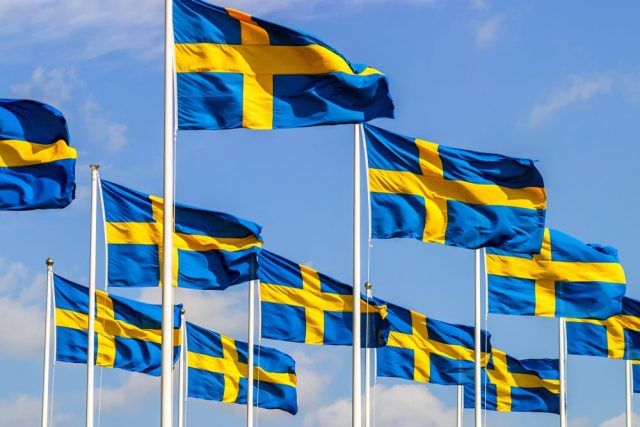
Sweden heads to the polls on September 13. The incumbent right-wing government is trailing in the opinion polls, and with two weeks to go, most signs point to a victory for the Left, even though the Right has recently begun to gain some ground.
One of the challenges facing the Right is that many voters remain hesitant about the Sweden Democrats, a party characterized by right-wing nationalism and social conservatism. During the current term, three traditional right-wing parties have formed the government, with the Sweden Democrats acting as a supporting party. This arrangement was based on a joint agreement concluded at the start of the term, clearly outlining the political measures the government was to implement over the four-year period.
However, ahead of the next term, the Sweden Democrats have demanded a seat in the government themselves. Party leader Jimmie Åkesson has repeatedly stated that if the right-wing parties win, it would be unreasonable for three parties to continue governing while a fourth once again stands on the sidelines. This has been Jimmie Åkesson’s stance since the beginning of the term: there will be no further four years of right-wing rule without the Sweden Democrats also sitting in the government.
No one questions the validity of the Sweden Democrats’ demands. They have been the largest party on the right during the four years that three other right-wing parties have held office. The party has exerted significant influence on the policies pursued, particularly in the areas of migration, crime, and energy. It would have been strange for the party to receive a renewed mandate from voters to influence Swedish politics, only to then accept remaining outside the government once again.
But everything in life comes at a price. And for the Sweden Democrats, the cost of gaining acceptance as a party fit for government has been a loss of voters for the other right-wing parties. Some of their voters are, in fact, wary of a right-wing government that includes the Sweden Democrats. Consequently, an interesting phenomenon has emerged within the previously tightly knit right-wing bloc of Swedish politics.
Right now, two weeks before the election, there is an open and full-blown conflict among the four right-wing parties. Previously, they were keen to showcase their unity. They have maintained that the ability of the four constituent parties to cooperate is a strength for the right—that they are in agreement about governing together, and that this unity stands in contrast to the fragmentation of the left, where the four rather disparate parties making up that side of Swedish politics are far from agreed on which of them should hold office or even form part of a governing coalition.
The reason the right-wing parties are currently squabbling is likely that they have realized they need to signal that they are not a single, monolithic party. After all, even if the Sweden Democrats were to join a potential new right-wing government, they would be just one of four parties (or possibly three, should the small Liberal Party fail to retain its parliamentary seats). And this is precisely the point the parties in the right-wing bloc need to convey to undecided voters.
The Swedish public could end up with a right-wing government that is not necessarily dominated by the Sweden Democrats. They could get a government where the traditional right-wing parties hold their ground and push back against the Sweden Democrats’ impatience regarding issues such as migration and crime policy. In other words, a new right-wing government would not simply be an “SD government” (SD being the common abbreviation for the Sweden Democrats).
Consequently, with two weeks to go until the election, the Sweden Democrats find themselves in the somewhat peculiar position of trying to instigate public spats with their coalition partners. These disputes remind undecided right-wing voters that alternatives to the Sweden Democrats exist within the right-wing camp—voters who are essential if the right is to secure a victory.
At the same time, the Sweden Democrats need to distance themselves from the traditional right-wing parties to signal to their most hardline supporters that they remain committed to combating migration and migration-related crime.
Thus, two weeks before the election, the right-wing bloc is holding together while simultaneously bickering internally; this is the best strategy they have found to enable each party to mobilize its own potential voters.
Democracy is fascinating.