





 Subscribe


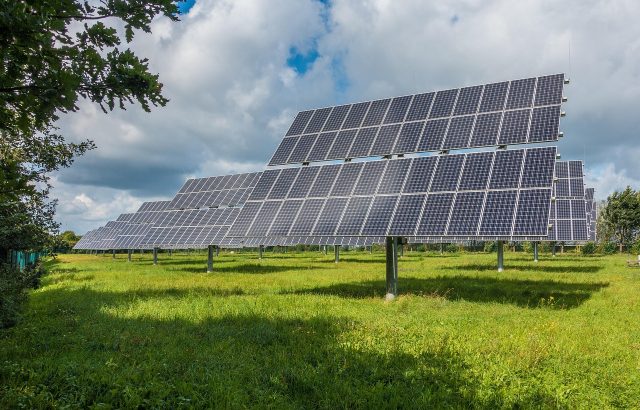
In 2024, the EU’s electricity system reached a historic milestone in the transition to renewable energy sources. Nearly half of gross electricity consumption was met by renewable sources, with a share of 47.5%. This result represents a significant increase of 2.1 percentage points compared to the previous year, and reflects a structural transformation that began over twenty years ago. In fact, in 2004, renewable electricity accounted for just 15.9% of total consumption, rising to 28.6% in 2014 and experiencing particularly rapid growth over the following decade. The overall increase of approximately 30 percentage points highlights the commitment of European policies to decarbonization and energy security and stability.
THE STRUCTURE OF THE EUROPEAN RENEWABLE MIX
The current composition of renewable sources in the European Union’s electricity sector is characterized by a strong concentration on a few mature technologies. Data released by Eurostat on January 14th illustrates the evolution and spread of green energy, showing that wind energy is the largest contributor, accounting for 38% of total renewable energy production, immediately followed by hydroelectricity with a 26.4% share. Together, these two sources account for nearly two-thirds of green electricity production. Solar energy occupies an increasingly significant position, with 23.4%, while solid biomass and other renewable sources provide 5.8% and 6.4%, respectively. The growth dynamics of photovoltaic energy are particularly significant: in 2008, its share was marginal, at 1%, with a production of 7.4 terawatt-hours, while in 2024 it reached 304 terawatt-hours, establishing itself as the technology with the fastest growth rate.
MEMBER STATES WITH THE HIGHEST USE OF RENEWABLE ELECTRICITY
The comparative analysis – based on Eurostat data – among Member States shows considerable heterogeneity in levels of electricity use from renewable sources. Austria leads the ranking, having produced over 90% of its electricity from renewable sources in 2024, thanks to a highly developed hydroelectric system based on sixteen major power plants. Sweden immediately follows, with a share of approximately 88%, driven primarily by the integration of hydropower and wind energy. Denmark occupies third place, with a share of nearly 80%, a result attributable to the widespread deployment of both onshore and offshore wind farms. Immediately below the leading countries are Portugal, Spain, and Croatia, with shares exceeding 50%, at around 66%, 60%, and 58%, respectively. Latvia, Finland, Germany, Greece, and the Netherlands follow, with values between 50 and 56%. These countries represent an intermediate but advanced group, where renewable sources now constitute the majority of the national electricity mix.
MIDDLE AND LATE COUNTRIES
Several large Member States occupy the bottom half of the ranking. Italy is around the European average, occupying eighteenth position (40.7%), while France ranks lower, at twenty-first place (31.3%), highlighting a greater reliance on non-renewable sources or other low-emission technologies. At the other end of the scale are countries with a renewable electricity share of less than 25%. Malta has the lowest figure, just over 10% (10.7%), followed by the Czech Republic with less than 18%. Luxembourg, Hungary, and Cyprus stand at around 20–24%, while Slovakia is close to 25%. It is important to note that these percentages also include imported renewable electricity, highlighting a structural lag in domestic production.
FUTURE PROSPECTS AND STRATEGIC ROLE OF SOLAR
The future evolution of the European electricity system appears increasingly oriented toward the strengthening of solar power. Although wind energy currently remains the main renewable source and hydropower maintains a central role in some countries, the rapid growth of photovoltaics suggests the possibility of it overtaking hydropower in the medium term. Despite its heavy dependence on solar panel imports from China, the European Union has a complex industrial supply chain, with 166 companies active in the photovoltaic sector. This helps mitigate strategic risks and strengthens the potential of solar power as a cornerstone of the European energy transition, at a time when the goal of consistently exceeding the 50% renewable electricity threshold now appears within reach.