





 Subscribe


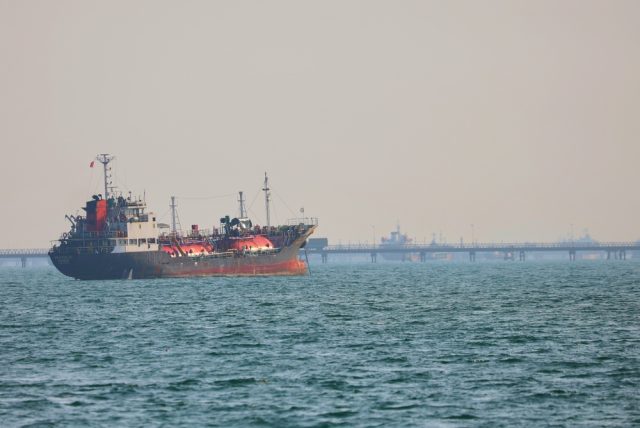
On April 17, 2026, an international conference on navigational safety in the Strait of Hormuz was held at the Élysée Palace in Paris. The meeting was attended by key European leaders, including the President of the French Republic, the Prime Minister of the United Kingdom, the Italian Prime Minister, and the Federal Chancellor of Germany, and concluded with joint statements that highlighted the global relevance of the topic. The presence of the Italian Prime Minister underscores the importance of the initiative, considered crucial not only for Italy but for the entire international system.
THE PRINCIPLE OF FREEDOM OF NAVIGATION
At the heart of the debate is the need to guarantee freedom of navigation, a cornerstone of international law. This principle has universal significance, applying not only to the Strait of Hormuz but to all strategic maritime passages on which global supply chains depend. The protection of this right is essential for maintaining international economic and political order, in a context characterized by growing instability.
ECONOMIC IMPLICATIONS AND GLOBAL SECURITY
The importance of the Strait of Hormuz is closely linked to its role in the global economic system. Approximately one-fifth of global oil and liquefied natural gas consumption passes through this passage, making it a crucial hub for energy security. Added to this is the traffic of fertilizers, which are crucial for agricultural production and food security, especially in the most vulnerable countries. The Gulf economies, strategic partners for Europe, also depend on this route for a significant share of food imports, estimated at around sixty percent. Consequently, any disruption to navigation would have far-reaching economic and social consequences.
HORMUZ AND THE NEGOTIATION PROCESSES IN THE MIDDLE EAST
The reopening of the Strait is also a key element in negotiations regarding the Middle East crisis. Recent developments demonstrate how freedom of maritime transit is closely linked to diplomatic dynamics, particularly in the context of the ceasefire in Lebanon and negotiations between international and regional actors. The possibility of again guaranteeing the passage of ships is therefore a fundamental element of any credible and lasting negotiated solution in the region.
STRATEGIC CHALLENGES AND MULTILATERAL DIMENSION
The complexity of the situation requires a multilevel approach involving diplomatic, security, and humanitarian dimensions. The crisis has direct repercussions not only on economies but also on the safety of seafarers and the populations involved. The participation of numerous countries from diverse backgrounds highlights the global nature of the issue and the need for a coordinated response, not limited to national interests but geared towards the international common good.
THE ROLE OF INTERNATIONAL NAVAL PRESENCE
Among the measures considered a priority is the possibility of an international naval presence in the Strait, deemed essential to ensuring the security of trade routes. This presence would respond to concrete operational needs, such as mine clearance, and would help reassure the maritime sector. However, its implementation is subject to specific conditions, including the cessation of hostilities and coordination with regional actors, while maintaining an exclusively defensive posture.
THE ITALIAN AND EUROPEAN CONTRIBUTION
Italy has declared its readiness to actively contribute to this effort, including through the provision of naval units, in compliance with constitutional procedures requiring parliamentary authorization. This commitment is part of a consolidated tradition of participation in international maritime security missions, as demonstrated by previous European operations. In particular, the experience gained in similar operational contexts represents a useful reference point for addressing current challenges. The initiative confirms Europe’s willingness to take an active role in managing global crises, collaborating with international partners. This commitment is part of a broader framework characterized by a persistent cycle of conflict, which is not limited to the Middle East but extends to other areas, including the conflict in Ukraine. In this context, cooperation between European states appears essential to ensuring stability and security.
FUTURE PROSPECTS
Despite the multiplicity of open fronts, the goal of building sustainable and lasting solutions through a pragmatic and patient approach remains. The necessary consolidation of the ceasefire in Lebanon and the possible resumption of negotiations regarding the Iranian crisis represent crucial steps in this direction. International action is therefore a complex process, requiring determination and mediation skills, with the aim of promoting a more stable and cooperative international order.