





 Subscribe


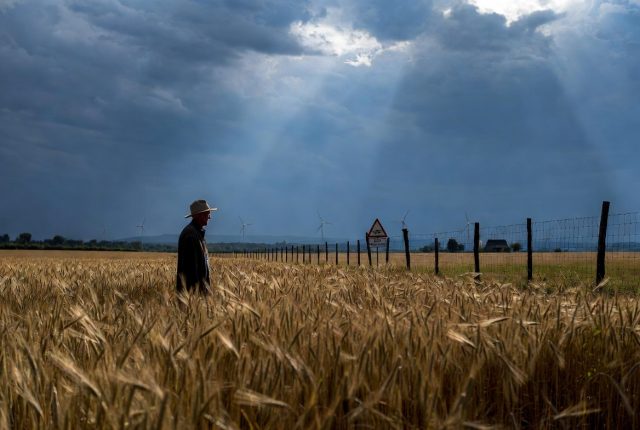
Romania just pushed through one of its most contentious pieces of legislation in years: the “National Strategy and Action Plan for Biodiversity Conservation 2026-2030”. On August 5, the Chamber of Deputies adopted the bill with 177 votes in favor, 79 against, and 11 abstentions, though it must now bounce back to the Senate because deputies made substantial changes to the text. The Senate had already passed its own version two days earlier, 81 to 33, with 9 abstentions. Behind those numbers is a bruising standoff between the government’s green ambitions and a farming sector that says it’s being asked to foot a bill it never agreed to.
At its core, the strategy commits Romania to designating 30% of its territory as protected natural area, with 10% falling under “strict protection”. A category where almost all human activity, including farming, grazing, forestry, and energy projects, is banned outright. It echoes the EU’s 2030 Biodiversity Strategy adopted by the European Commission in 2020. But here’s the catch that critics keep hammering: almost no other EU country is actually implementing those percentages. Germany’s strict-protection zones cover just 0.6% of its territory, and the EU-wide average for strict protection on land is roughly 3%, far below the 10% target Romania is writing into binding national law.
The urgency behind the vote isn’t really environmental. It’s financial. The law is tied to a PNRR (National Recovery and Resilience Plan) milestone worth close to one billion euros, and missing the deadline would mean losing that EU funding. That single fact has driven almost every twist in this saga, including the government’s decision in late July to withdraw an emergency ordinance version of the strategy after PSD filed a legal complaint, with interim PM Ilie Bolojan warning that Romania was “playing with 11 billion euros” in stakes.
AUR has positioned itself as the loudest and most consistent opponent in the Senate, where the party’s Ștefan Geamănu voted against the bill, calling it a “capitulation contract”. Deputy Valeriu Munteanu has led the charge in the Chamber, arguing the strategy was rushed through by an interim government without proper democratic scrutiny and raises both constitutional and substantive concerns. His broader critique, laid out in a formal statement, is that the Environment Ministry is using European obligations as cover to impose restrictions well beyond what Brussels actually requires, noting Romania already protects about 23.5% of its land and doesn’t need to sprint toward arbitrary percentages without a real cost-benefit analysis.
Munteanu’s objections get specific: the methodology behind Priority Biodiversity Zones would let authorities impose “non-intervention” regimes where even traditional grazing and mowing could be banned entirely. Worse, landowner consent would only apply to newly designated zones, not to existing protected areas, virgin forests, or land managed by the national forestry authority, meaning restrictions could expand without a fresh agreement from the people affected. AUR is also demanding real compensation mechanisms, since as things stand, the state can restrict land use without spelling out who absorbs the financial hit.
There’s a symbolic skirmish worth noting too: AUR successfully pushed to strike the term “indigenous population” from the law’s text during a heated Judicial Committee exchange with USR, arguing the phrase was lifted wholesale from foreign legal frameworks that don’t apply to Romania. AUR exposed the entire strategy as an imported, poorly localized document that cost taxpayers roughly 4 million euros to produce.
This aren’t just AUR’s talking points. Around 30 agricultural organizations signed an open letter before the Senate vote warning that the strategy, in its original form, could trigger farm bankruptcies and food price increases mirroring the recent spikes in fuel and energy costs. Three major federations (LAPAR, Planta Romanica, and Romalimenta) separately demanded a full economic impact study before any final adoption, pointing out the bill as written could restrict farmland use and medicinal plant harvesting without clear compensation or a constitutional safeguard under Article 44 on property rights.
Alexander Degianski, head of the Romanian Farmers Club, put it starkly: if adopted in its original form, this document “will end agriculture like no other law in the last 35 years,” since it treats farmers as the primary driver of biodiversity loss while offering no real financial cushion. Senator Sorin Moise, who chairs the Senate’s Agriculture Committee, flagged provisions that could force a 50% cut in pesticide and fertilizer use without adequate consultation. Under pressure, amendments were added promising compensation schemes for farmers who lose income or land access, but the mechanism and calculation method are still to be defined later, which is exactly the kind of vague promise that makes farm groups nervous
The agricultural fallout gets most of the headlines, but the energy angle may matter more strategically. Critics warn that strict protection zones could hand environmental NGOs a legal weapon to block gas extraction, hydropower construction, mining, and offshore wind turbines in the Black Sea, right as Romania is trying to diversify away from Russian-linked energy dependency. Former Energy Minister Bogdan Ivan, now pushing PSD’s amendments, framed this bluntly: protected nature and energy security shouldn’t be framed as an either-or choice, and his party’s 20 amendments aim to ensure no NGO can halt gas exploitation, hydro plants, mining, or strategic electricity and gas corridors under the pretext of biodiversity rules.
That’s the real tension running through this entire debate. Romania needs the PNRR money, needs functioning farmland, and needs to build out its own energy infrastructure, all at the same time, under the same law.