





 Subscribe


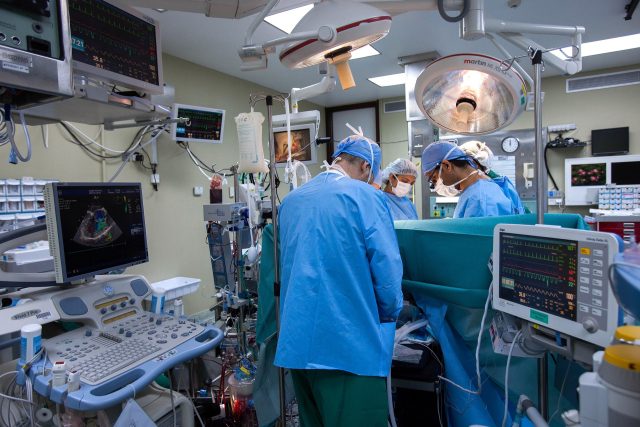
Growing Numbers, Strong Regional Leadership, and a Culture of Donation Confirm Italy’s Excellence in Life-Saving Medicine
Italy’s transplant system continues to demonstrate strength, efficiency, and a deeply rooted culture of solidarity. In 2024, 4,692 organ transplants were performed in operating rooms across the country, marking a 5.1% increase compared to the previous year. The updated figures, released by the Centro Nazionale Trapianti, confirm a steady upward trend that has been ongoing for nearly a decade, interrupted only briefly during the Covid-19 pandemic.
For the second consecutive year, Italy surpassed the threshold of 4,000 organ transplants — a milestone that underscores the resilience and quality of its national healthcare system. Behind these numbers lies an intricate network of hospitals, medical professionals, regional coordination centres, and donor families whose cooperation allows thousands of lives to be saved each year.
A Regional Map of Excellence
Although no transplant surgeries were carried out in Valle d’Aosta, Trentino-Alto Adige, and Molise, several regions stood out for their high transplant rates relative to population size. Veneto led the country with 147.9 transplants per million inhabitants, followed by Piemonte with 118.5. Friuli Venezia Giulia and Emilia-Romagna shared third place at 111.4 per million residents.
These figures reflect not only the efficiency of local healthcare systems but also strong organizational capacity and public awareness. Northern and central regions have built highly specialized transplant centres that attract patients from across the country, reinforcing Italy’s reputation for medical excellence.
At the other end of the spectrum, Calabria recorded 19.6 transplants per million inhabitants, Basilicata 20.8, and Campania 24.9. While these differences highlight areas for improvement, they also emphasize the importance of continued investment, awareness campaigns, and infrastructure development to ensure equitable access to transplant services nationwide.
The Organs That Save Lives
Kidney transplants once again represented the majority of procedures in 2024. Of the total, 2,393 were kidney transplants — accounting for 51% of all operations. This predominance is partly due to the possibility of living donation: a healthy individual can donate one kidney and continue to live a normal life.
Beyond kidneys, Italy performed 1,732 liver transplants and 418 heart transplants. Each of these operations represents not only a technical medical achievement but also a coordinated effort involving surgeons, anaesthesiologists, nurses, transport teams, and transplant coordinators working around the clock.
Of the 4,692 total transplants, 4,333 involved organs from deceased donors, while 359 came from living donors. The presence of living donation programs highlights a further strength of the Italian system: the trust citizens place in medical institutions and the solidarity that drives individuals to make life-saving choices for relatives and loved ones.
A Culture of Consent
At the heart of Italy’s transplant success lies a well-established framework for organ donation consent. Since 1999, Italian law has allowed citizens to formally record their decision regarding organ donation. Individuals can express their wishes at their municipality’s registry office when renewing their identity card, through their local health authority, or via AIDO, the Italian Association of Organ Donors.
In 2024, data on declarations of intent were collected from 7,490 of the 7,897 municipalities offering the service. The figures reveal a clear geographical pattern: in central and northern regions, as well as in Sardinia, the majority of registered declarations express consent to organ donation. In several southern regions, refusals still outnumber approvals.
This regional divide does not diminish Italy’s overall achievement; rather, it identifies a cultural and informational gap that institutions are actively working to bridge. Awareness campaigns, educational initiatives, and collaboration with local communities remain essential tools to promote a shared culture of donation across the entire country.
A Model of National Coordination
Italy’s transplant network is widely regarded as one of the most organized in Europe. The centralized coordination provided by the Centro Nazionale Trapianti ensures transparency, equitable organ allocation, and strict adherence to ethical and medical standards. The system balances national oversight with strong regional implementation, enabling rapid response times and optimized logistics — crucial factors when dealing with time-sensitive organ preservation.
The steady growth in transplant numbers demonstrates that Italy has successfully transformed organ donation into a structural component of its public healthcare system. Beyond statistics, the data tell a story of trust: trust in medical professionals, trust in public institutions, and trust among citizens willing to make decisions that may save strangers’ lives.
As the country continues to invest in innovation, surgical techniques, and public awareness, Italy strengthens its role as a European leader in transplantation medicine. The 2024 figures are more than a record — they are confirmation that solidarity, efficiency, and medical excellence can work together to turn hope into survival for thousands of patients each year.
Alessandro Fiorentino