





 Subscribe


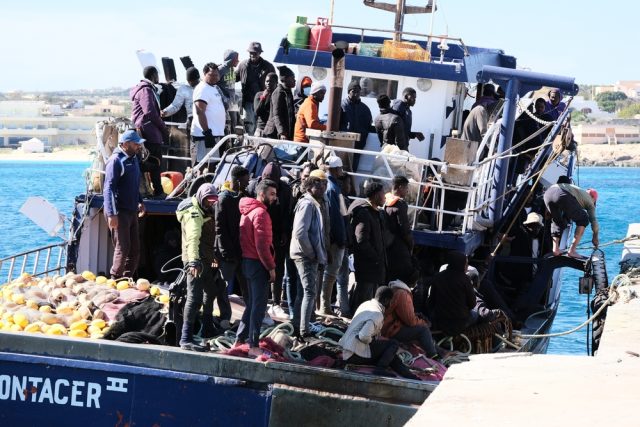
The meeting between the leaders of Cyprus, Greece, Italy, and Malta took place on April 24th in an extremely complex and fluid geopolitical context, characterized by a progressive deterioration of regional balances in the Middle East and growing polarization among the actors involved. In particular, the crisis with Iran represents a major factor destabilizing the region, contributing to political, military, and economic tensions that reverberate well beyond regional borders. This situation has heightened concerns at the European level about the potential indirect consequences of the conflict, including increased migration flows toward the Union’s southern borders. Migration dynamics, in fact, are closely linked to developments in crisis contexts, especially when these generate conditions of widespread insecurity, socioeconomic deterioration, and humanitarian crises. In this sense, the countries of the Eastern and Central Mediterranean are particularly exposed, serving as the main landing points for those fleeing war or instability. The memory of the 2015 migration crisis continues to be a significant reference point in European political debate, reinforcing the desire to prevent the recurrence of similar situations through enhanced cooperation instruments. In this context, the meeting held on the sidelines of the informal European Council in Cyprus takes on primary strategic significance. It not only represents an opportunity for discussion between member states sharing similar geographical vulnerabilities, but also represents a concrete attempt to develop a coordinated and anticipatory response to potential critical developments. The initiative highlights the growing awareness of the need for an integrated approach capable of combining security, border management, and humanitarian responsibility, within a shared European framework.
THE INSTITUTIONAL AND DIPLOMATIC CONTEXT OF THE MEETING
The meeting took place on April 24th, in parallel with the informal European Council meeting in Ayia Napa, offering the leaders of the four countries the opportunity to discuss pressing issues outside the official agenda. The participation of Italian Prime Minister Giorgia Meloni was part of a broader diplomatic activity conducted throughout the day, which included public statements and significant bilateral meetings. This context fostered direct and targeted dialogue on operational issues, particularly the management of migratory flows potentially resulting from the evolving Middle Eastern conflict.
THE RISK OF A NEW MIGRATION CRISIS
One of the key elements that emerged from the discussion was the shared fear of a migration crisis similar to that of 2015. This concern is based on the European Union’s recent experience and the current dynamics in the Middle East, where escalating tensions, including those related to Iran’s role, could generate new large-scale population movements. The leaders explicitly emphasized the need to avoid such a scenario, emphasizing the importance of adopting preventive and coordinated measures.
THE GEOGRAPHICAL AND STRATEGIC DIMENSION OF THE COUNTRIES INVOLVED
Cyprus, Greece, Italy, and Malta share a geographic location that makes them particularly vulnerable to migratory flows from the Middle East and North Africa. As states located on the European Union’s external borders, they represent the first points of entry for many migrants. This situation has led to a convergence of interests and a shared desire to strengthen cooperation to ensure effective border management and prevent emergency situations. During the meeting, leaders discussed a series of measures aimed at strengthening the security and management of the EU’s external borders, in full compliance with international law. This is particularly relevant, as it highlights the attempt to reconcile security needs with humanitarian and legal obligations. Indeed, managing migration flows cannot ignore compliance with international standards on asylum and refugee protection. Another key point emerging from the summit was the need for a common approach at the European level. Leaders reiterated that only through a shared strategy will it be possible to effectively address any significant increases in migration flows. In this regard, they emphasized the importance of integrating national initiatives within the framework of European Union competences and policies, in close collaboration with the Commission.
THE ROLE OF MINISTERS AND OPERATIONAL COORDINATION
Following the meeting, the leaders instructed their respective Ministers of the Interior and Migration Policies to continue their coordination efforts. This mandate reflects the desire to translate political indications into concrete actions through ongoing dialogue between the relevant administrations. The involvement of the European Commission was identified as key to ensuring coherence and effectiveness in the measures adopted. Alongside security considerations, the leaders reaffirmed the importance of supporting populations affected by the conflict in the Middle East. In this context, they emphasized the need to continue working with regional partners to provide humanitarian assistance and support. This approach reflects a balanced vision that recognizes the root causes of migration and promotes interventions aimed at mitigating it at its source.
THE MEETING WITH LEBANON AND THE ROLE OF ITALY
In the context of the diplomatic activities carried out in Cyprus, the meeting between the Italian Prime Minister and the President of the Lebanese Republic, Joseph Aoun, is particularly significant. This meeting provided an opportunity to reaffirm Italy’s support for Lebanon, a country deeply involved in regional dynamics and directly impacted by tensions with Israel and instability linked to Iran. The dialogue highlighted the importance of direct negotiations between Lebanon and Israel, considered a significant step towards lasting peace. During the meeting, the announcement of the extension of the ceasefire was welcomed, contributing to a temporary reduction in tensions in the region. In this context, the role of the Italian contingent in the UNIFIL mission was emphasized, which represents a fundamental tool for maintaining stability. The safety of the deployed soldiers was identified as a priority, along with the need to plan for future scenarios for the period following the mission. The dialogue between Italy and Lebanon also highlighted the importance of international cooperation in supporting local institutions. Italy’s commitment is articulated through cooperation and support programs for the Lebanese Armed Forces, both bilaterally and within multilateral initiatives. This approach aims to strengthen the country’s resilience and contribute to regional stability.
THE CRISIS WITH IRAN AS A DETERMINING FACTOR
A cross-cutting element that permeates the entire context is the crisis with Iran, whose evolution significantly impacts the balance of power in the Middle East. The tensions involving Tehran have direct and indirect effects on various regional actors, contributing to instability and potential migratory movements. The meeting between Mediterranean leaders must also be interpreted in light of this dynamic, which amplifies risks and makes a coordinated response even more urgent.
TOWARDS INTEGRATED CRISIS GOVERNANCE
The meeting between Cyprus, Greece, Italy, and Malta represents a significant example of regional cooperation in response to a complex and multidimensional crisis, characterized by a strong interconnection between geopolitical dynamics, security, and the management of migration flows. The combination of preventive measures, political coordination, and attention to humanitarian aspects highlights a comprehensive and informed approach, aimed not only at containing the immediate consequences of crises but also at addressing their structural causes. In this context, it is clear that the Mediterranean dimension plays a central role in defining European policies, serving as a laboratory for shared solutions and integrated strategies. However, the persistence and intensification of tensions in the Middle East, particularly those related to the crisis with Iran, continue to represent a factor of instability capable of producing knock-on effects throughout the regional system and, consequently, the European Union. The volatile context therefore requires a constant commitment, not limited to emergency interventions, but aimed at developing flexible and adaptable tools capable of responding rapidly to changes in the international landscape. In this sense, the prevention of new migration crises cannot be separated from a broader diplomatic and security strategy that actively involves regional and international actors. Strengthening the European dimension is therefore essential, not only in terms of coordination between Member States, but also in terms of the Union’s ability to act in a unified and coherent manner externally. At the same time, dialogue with partners in the Middle East and North Africa takes on fundamental strategic value, both for managing humanitarian emergencies and for promoting lasting stability. Ultimately, the meeting analyzed is part of a broader process aimed at building integrated crisis governance, capable of combining security, solidarity, and shared responsibility, in an increasingly complex and interdependent international context.