





 Subscribe


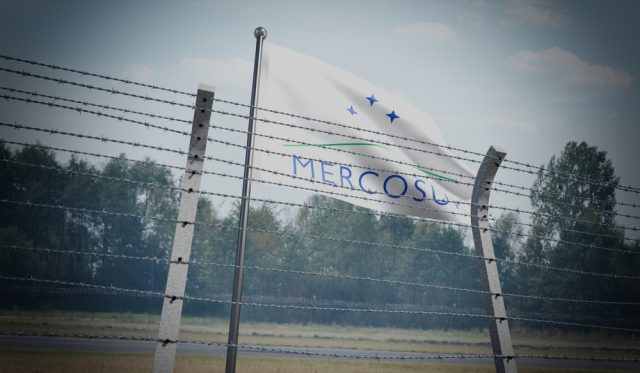
The information regarding the European Union’s suspension of imports of agri-food products from Brazil was portrayed as a “blow” by the mainstream international media, while for Brazil’s ambassador to the EU, the PAFF committee’s decision came as a “surprise.” Brazil was suddenly removed from the list of countries that comply with the food and environmental standards imposed by the European Union.
Apart from the so-called surprise reactions, what should really be striking is the fact that this measure will not be implemented immediately, but only at the beginning of autumn.
Recent news broke that, starting September 3, Brazil will be banned from exporting meat to the EU, as well as other products for human consumption, such as eggs and honey, but not only. The decision to halt imports of animal-based food products from one of the main Mercosur countries, adopted by the European Commission’s Standing Committee on Plants, Animals, Food and Feed, is due to the use of antimicrobials as growth promoters – substances strictly prohibited within the EU.
But is it truly surprising that South American farms do not adhere to the same food safety standards as those imposed by Brussels? Have European farmers not consistently warned about this enormous risk?
Is it any wonder that such a ban was enacted? Is it not self-evident that consumers should not be exposed to contaminated food or products containing prohibited substances?
This decision, prompted by Brazilian farms’ failure to comply with the European Union’s food quality and safety standards, is not the result of a recent “breakthrough”. Representatives of the PAFF Committee did not receive some kind of earth-shattering information overnight that would have led them to adopt such a drastic decision – one that would truly “surprise” anyone. Nor should the Greek authorities’ identification of the three tons of frozen chicken contaminated with salmonella – which were immediately returned to Brazil – come as too great a shock.
Brazil’s removal from the list of countries that comply with EU regulations and standards is surprising only insofar as it will not take effect until September and came just a few days after the long-acclaimed provisional entry into force of the “historic agreement” between the European Union and the Mercosur states, which took place on May 1.
The reality behind the free trade agreement, praised for setting a new golden age in terms of competitiveness and creating a huge market of opportunities for 700 million consumers, is a brutal one. Farmers and producers across Europe have been warning for years now of the devastating consequences for the agri-food sector and consumer health if this agreement comes into force. Tens of thousands of farmers staged intense protests both in Brussels, in front of the Commission headquarters, and in numerous other European cities, demanding that the EU-Mercosur agreement not be adopted. Small producers have repeatedly complained to the authorities that Mercosur countries do not comply with the same quality and environmental standards as EU member states, that competition rules will be severely undermined, and that such an agreement would effectively flood European markets with cheap and low reliable quality products, which would pose a real threat to consumer health.
However, the trade agreement with the four South American countries is currently in force, even though the European Parliament has asked the European Court of Justice to rule on whether it complies with EU law, and Poland – one of the five member states that voted against it – has challenged it before the CJEU. And the consequences of its implementation are already visible and dangerous.
This is the real “blow” of the EU-Mercosur free trade agreement. The red flags raised by farmers and agricultural producers have, unfortunately, proven to be legitimate. And this is just the beginning.