





 Subscribe


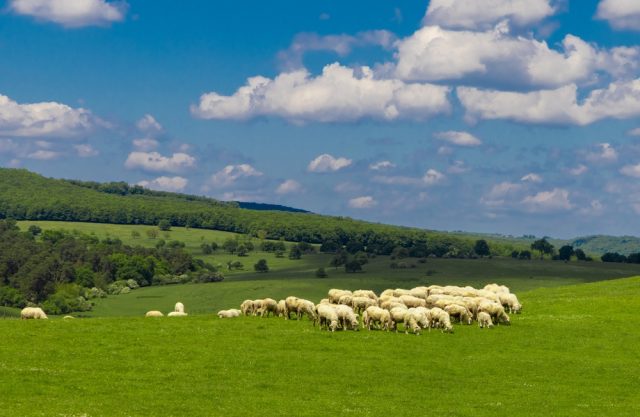
Livestock farming is one of the pillars of the European agri-food system, contributing around 40% of the added value of EU agriculture. The sector generates an annual turnover of about €400 billion, involves four million farms every day, and provides employment to approximately seven million people, often in rural areas with limited alternative economic opportunities. Beyond its economic importance, the sector is crucial to food security, ensuring the availability of high-quality proteins, supporting the Union’s positive trade balance, and meeting growing international demand thanks to production standards among the highest in the world. Livestock farming is also an essential element of Europe’s landscape, cultural, and social heritage.
THE INDUSTRY’S CHALLENGES AND THE NEED FOR A COMMON STRATEGY
In recent years, the livestock sector has faced a progressive decline in its livestock population, with a 10% decline in cattle, a 15% decline in pigs, and a 25% decline in sheep and goats compared to 2005. At the same time, farmers are faced with often insufficient profitability, rising production costs, changing market conditions, and the growing impact of animal diseases. To ensure the sector’s long-term sustainability, the European Commission has developed a strategy aimed at strengthening its resilience by promoting sustainable production models and reducing dependence on imports. This approach is particularly significant from the perspective of food sovereignty, as it aims to preserve European production capacity and protect the national and European agri-food markets from vulnerabilities resulting from excessive external dependence.
THE PRIORITIES OF THE STRATEGY FOR RESILIENT FARMING
The strategy identifies five key areas. The first concerns crisis preparedness, through new risk management tools that enable farmers to more effectively address emergency situations and quickly resume production. In this context, support for Member States in the prevention, early detection, and management of animal diseases is strengthened, encouraging more effective cross-border cooperation, increased financial resources dedicated to prevention, and a review of vaccination regulations based on the latest scientific evidence and international standards.
A second objective is to strengthen competitiveness both within the Union and on international markets. The strategy promotes innovation, improved farm profitability, and access to financing to support the transition to cage-free farming systems, while also promoting the circular economy, the bioeconomy, biomass valorization, and more efficient authorization procedures. Guaranteeing a fair income for farmers remains central.
SUSTAINABILITY, ANIMAL WELFARE, AND TERRITORIAL DEVELOPMENT
Sustainability is another priority of the strategy. Regulatory revisions dedicated to improving animal welfare are planned, initially targeting laying hens and young chickens by the end of 2026, followed by pig farms in 2027. These interventions will be accompanied by adequate transition periods and specific financial support instruments. In parallel, harmonized methods for calculating farm emissions, climate mitigation practices, and more efficient nutrient management systems will be developed. Particular attention is also paid to territorial balance, with initiatives aimed at restoring sustainable livestock production to the most vulnerable areas. To this end, a roadmap will be developed to encourage the spread of small-scale slaughterhouses and mobile facilities, reducing animal transport and contributing to the revitalization of local economies.
THE EUROPEAN PROTEIN PLAN AND THE PROTECTION OF FOOD SOVEREIGNTY
The strategy is accompanied by a Protein Action Plan, aimed at strengthening the Union’s production autonomy. The sector currently uses approximately 74 million tons of protein for animal feed each year. Europe produces around 67 million tons, primarily through fodder and cereals, exporting 9% of this; however, it continues to import about 13.4 million tons of high-protein raw materials. Furthermore, in 2025, only 25% of protein crops used in animal feed were produced within the Union. The Plan aims to increase this share to 35% by 2035, supporting the cultivation of protein-rich crops within Europe, strengthening plant supply chains from production to processing, creating new market outlets, and diversifying imports through strategic partnerships with European Neighborhood countries. While these agreements contribute to supply stability, the priority must remain the consolidation of domestic production, thus reducing strategic dependencies and safeguarding food sovereignty. Maintaining a high level of production self-sufficiency is essential to protecting the national and European agri-food market, ensuring safety, and promoting local production according to high quality, environmental, and animal welfare standards.