





 Subscribe


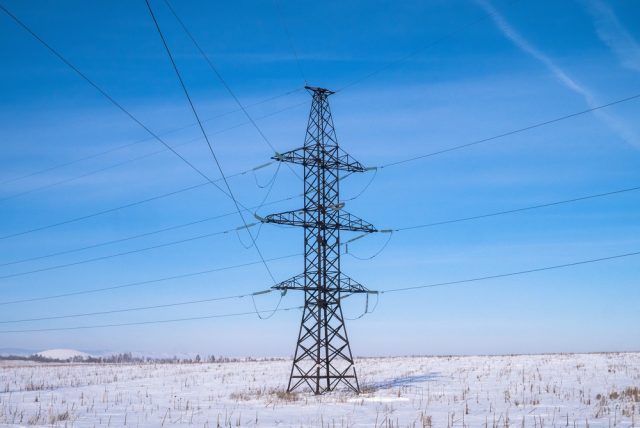
The European Commission has outlined a new strategy to accelerate the electrification of the Union’s energy system, with the goal of progressively reducing the use of fossil fuels in key economic sectors, such as industry, transport, and construction. This initiative is part of the European Union’s broader energy and climate transition process and aims to transform the continent into the world’s first economic system based primarily on the use of electricity. In quantitative terms, the goal is to increase the electrification of energy consumption from the current 23% to 46% by 2040, resulting in estimated savings of approximately €260 billion annually thanks to the reduction in fossil fuel imports. The European ambition is based on the idea that greater deployment of electricity can simultaneously strengthen energy security, the economic competitiveness of the production system, and the achievement of decarbonization and climate change objectives. From this perspective, electrification is considered one of the main tools to progressively reduce dependence on fossil fuels, promote technological innovation, and strengthen the European energy system’s resilience to international crises and energy market fluctuations. This approach, however, cannot ignore the institutional framework of the European Union and the principle of conferral of powers. It is therefore essential to emphasize that, even within the context of initiatives promoted by European institutions, the constitutional prerogatives, competences, and national sovereignty of individual governments and member states must continue to be fully safeguarded. Each country, in fact, retains a central role in defining its own energy strategies and in choosing the most suitable tools to pursue common objectives, taking into account the specific characteristics of its economic system, territorial context, availability of energy resources, social needs, and the level of development of national infrastructure. From this perspective, European coordination should provide impetus and cooperation, without weakening the responsibilities and powers that the Treaties recognize for Member States in determining their energy mix and implementing national policies.
THE ECONOMIC, ENVIRONMENTAL, AND STRATEGIC BENEFITS OF ELECTRIFICATION
Electrification is considered one of the main tools for strengthening Europe’s strategic autonomy. Reducing dependence on fossil fuel imports would reduce the Union’s vulnerability to international geopolitical tensions and energy market fluctuations, while also improving the competitiveness of the European production system. At the same time, the spread of electricity is essential for the modernization of energy infrastructure and the progressive decarbonization of the economy, helping to accelerate the achievement of the green transition objectives. Consumers could also benefit from significant economic advantages. According to Commission estimates, using a battery-powered electric car can result in savings of up to 78% compared to a vehicle powered by traditional fuels, while replacing gas boilers with heat pumps can reduce European households’ home heating costs by up to 60% on average.
THE CRITICAL ISSUES TO BE OVERCOME AND THE TOOLS PROVIDED BY THE PLAN
Despite favorable prospects, the electrification process still faces numerous economic, infrastructural, and technological obstacles. Currently, the cost of electricity is often about three times that of gas, making it less cost-effective to replace traditional technologies. Added to this are the long lead times required to establish connections to electricity grids, the difficulty many technological innovations face in achieving large-scale commercial deployment, and the inadequacy of incentives for businesses to encourage the transition away from fossil fuels. To address these issues, the European plan proposes a coordinated series of interventions aimed at reducing the cost differential between electricity and fossil fuels, while simultaneously promoting the deployment of clean technologies such as heat pumps, batteries, and electric vehicles. Among the key measures envisaged is the ability for Member States to reduce network charges applied to specific categories of consumers and reduce the tax burden on energy-intensive businesses, thus making electricity bills more sustainable in the long term. Further measures include the deployment of smart meters, designed to promote more efficient energy consumption and reduce user costs, as well as reducing the initial costs of electrification technologies through the use of financial instruments such as social leasing programs, resources from the European Emissions Trading System (EU ETS), and the Social Climate Fund. The plan also envisages accelerating the development of European electricity networks through the network infrastructure package, supporting the adoption of innovative technological solutions, and significant investments in vocational training and specialized skills, with the prospect of generating hundreds of thousands of new skilled jobs.