





 Subscribe


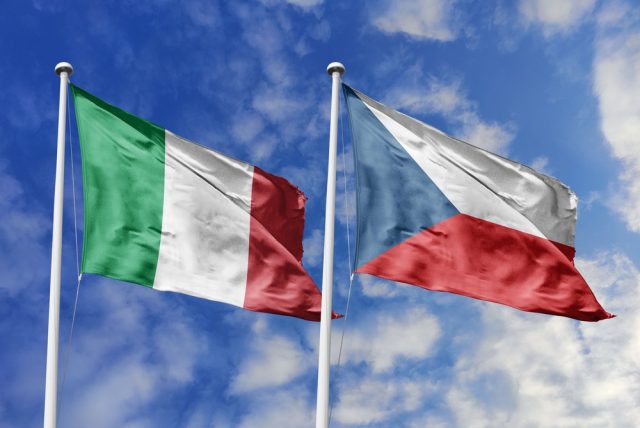
When two realists, who prioritize national interests and share the same vision for the future, join forces and adopt a common short- and medium-term strategy, the world should not only watch closely but also take notes. Such alignment in ideas and approach – and the determination behind it – should serve as a valuable lesson for politicians seeking examples to follow. This is the case with the government leaders of Italy and the Czech Republic, Giorgia Meloni and Andrej Babiš, whose newly strengthened partnership was one of the top stories of the last week in Europe.
Italy and the Czech Republic have signed a historic agreement, one that Giorgia Meloni, President of the Italian Council of Ministers, is certain will play “a crucial role” in serving the interests of citizens and manufacturing companies in both countries, as well as in solidifying the ties between the two European nations. September 29, 2026, is definitely a significant date in the history of their bilateral relations. With the signing of the 2026–2030 Plan of Action, cooperation between Italy and the Czech Republic – whose bilateral trade totals over 7.7 billion euros – has entered a new phase. This landmark document serves as a foundation for major developments over the next four years in key areas such as energy, industrial competitiveness, security, the fight against illegal migration, and the upcoming European Union budget.
Between Andrej Babiš’s visit to Rome, which took place on February 4, 2026, and Mrs. Meloni’s visit to Prague, that occurred on September 29, less than eight months had passed. During this time, both governments worked intensively, and the outcome is already being described in enthusiastic terms: the adoption of the Plan of Action, “a real road map,” as Giorgia Meloni described it, which establishes the main lines of cooperation for the future.
At the national level, strengthening the “technological and industrial partnership” – whether in the fields of nuclear energy, defense, or infrastructure – is the key strategic objective. To succeed in a world where many are merely striving for survival, competitiveness is crucial – and both leaders are fully aware of this imperative. Giorgia Meloni’s confidence in a great outcome is reflected in nearly every sentence of the press statement issued with the Czech Prime Minister.
At the European level, the convergence between the two leaders is more pronounced, and the range of shared interests is broader. Mrs. Meloni and Mr. Babiš reached a consensus on many “common-sense” proposals, which will be presented at the upcoming European Council meeting in mid-October and on which immediate and decisive action is needed. Among the main topics will be both a drastic revision of the infamous Emissions Trading System (ETS), and the postponement of the entry into force of its extension, ETS2. Easing the pressure on prices and industry is a key goal for which Rome and Prague have joined forces. Without realistic measures, the European Union will lose the battle for competitiveness. It is not just a “simple” risk, but a reality that is becoming increasingly evident.
In this context marked by multiple crises with global repercussions, convergence is essential. Another vital issue on which the Italian and Czech prime ministers are fully aligned is the effective fight against illegal migration, which requires pragmatic and firm solutions – including very rigorous border controls and the strict enforcement of repatriations.
Such a plan of action is not about today, but about building a secure and sustainable tomorrow. The future certainly belongs to those who show “courage, clarity, and pragmatism.” These were the words Giorgia Meloni used to describe Andrej Babiš, praising his work and dedication in the service of the Czech nation. Certainly, these words can also apply to Mrs. Meloni herself, who leads the longest-serving government in Italy’s recent history and will celebrate four years in office this month.