





 Subscribe


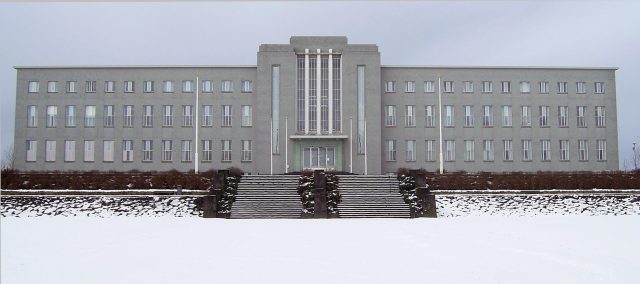
Even in peaceful, tiny Iceland, antisemitism has reared its ugly head. On 6 August 2025, a research group at the University of Iceland, led by Professor Gylfi Zoëga, planned to hold a noon seminar on the effects of artificial intelligence on pensions. It was scheduled to take place in the National Museum’s meeting room near the campus. An expert on the subject, Professor Gil Epstein from Bar-Ilan University in Israel, was to speak. Professor Zoëga did not publicly advertise the event but sent emails to those he thought might be interested. It turned out that at least one recipient was interested, for the wrong reason.
A Meeting Prevented, Not Only Disrupted
When Professors Zoëga and Epstein entered the meeting room at the National Museum, they found a group of 10–15 protesters standing in the back, waving the Palestinian flag and chanting that Israel was committing genocide in Gaza. Each time the chair or designated speaker tried to speak, the group shouted them down. After twenty minutes, Zoëga decided to cancel the meeting. One of the protesters, Ingólfur Gíslason, a teacher at the School of Education at the University, posted afterwards on Facebook: ‘Then it had been clearly communicated that the professor’s lecture had been rejected.’ In another Facebook post, Gíslason revealed his true motive: ‘Israel should go to hell.’
Attack on Academic Freedom
This was a clear attack on academic freedom. Professors Zoëga and Epstein, along with the seminar participants, were not allowed to hold a peaceful meeting on a scholarly topic. However, only four academics publicly condemned the attack: Philosophy Professor Róbert Haraldsson, Sociology Professor Kolbeinn Stefánsson, Law Professor Davíd Thór Björgvinsson, and I. Everyone else stayed silent, except for a well-known leftist, Philosophy Professor Finnur Dallsén, who argued that this was not an attack on academic freedom because academic freedom only meant protection from interference by authorities. I responded that academic freedom generally has a broader meaning. It was, for example, an attack on academic freedom in the Weimar Republic when Nazi students shouted down Jewish professors during their lectures, even though the students clearly did not represent the authorities.
Violation of Icelandic Law
This was also a clear violation of Icelandic law. According to Article 122 of the Penal Code, anyone who prevents a legal assembly from taking place can face fines or up to one year in prison, or up to two years for major offenses, especially if violence or threatening behaviour occurs. Despite this, the University Rector, Silja Bára Ómarsdóttir, who was formerly active in a far-left party, stayed silent and took no action. The university’s only response came after Professor Zoëga wrote to the University Council to complain about the assault. In response, the Council issued a motion reaffirming the right to protest and assemble freely. The Council also stated that if a university employee believes a law has been broken, they should contact the police directly rather than the University Council.
Disgraceful Non-Action
I found it disgraceful that neither the University Rector nor the University Council responded to the assault on August 6, offering only empty words. Of course, these are two separate issues: the freedom of assembly guaranteed in the Icelandic Constitution, and opinions about the activities of Hamas and the Israeli Defense Force in Gaza. But the only reasonable explanation for the lack of action by the Rector and the Council is antisemitism. If the lecturer had been, for example, Noam Chomsky, and if a group of right-wing students or faculty at the university had prevented him from speaking, the university authorities’ response would undoubtedly have been quick and firm.