





 Subscribe


In a world already weakened by the COVID-19 pandemic, the conflict between the Russian Federation and Ukraine, as well as persistent economic imbalances, the outbreak, on the 28th of February, of the U.S.-Israeli-Iranian war, and the escalation of the conflict in the Middle East bring back into the spotlight a reality that the global economy cannot ignore: namely, the structural dependence on energy resources from the Persian Gulf region. The oil and natural gas extracted in Iran, the United Arab Emirates, Kuwait, Iraq, or Qatar are not merely raw materials, but true engines of the global economy. When their flow to the world’s major economic powers is disrupted, the effects spread rapidly, creating a domino effect, from financial markets to the prices of finished products in supermarkets. The conflict between the United States, Israel, and Iran has generated a wave of uncertainty that has shaken energy markets, causing oil prices to skyrocket to levels comparable to those seen in previous crises, only to subsequently experience sharp corrections; this volatility reflects not only the reality on the ground but also the extreme sensitivity of financial markets to political statements and geopolitical developments.
A central element of the current oil crisis is the Strait of Hormuz, considered a key strategic chokepoint through which approximately 20% of the world’s oil passes; any blockage or disruption of maritime traffic in this area by Iran amounts to a stranglehold on the global energy supply. It was therefore not at all surprising that investors reacted nervously, while the governments of countries heavily dependent on Middle Eastern oil are desperately seeking quick solutions to avoid a major crisis. However, the rise in oil prices is not isolated, as this increase ripples through all sectors of the economy. Production costs rise, freight costs increase, and end consumers feel the pressure through price hikes, while inflation—already a problem in many economies—receives a new boost.
In Europe, where dependence on oil and gas imports is significant, coupled with the phasing out of resources from the Russian Federation, the impact is felt even more strongly. Most European Union member states face the classic dilemma: how to protect consumers without destabilizing markets, and the responses vary, from releasing strategic reserves to capping prices, but unfortunately, all come with costs and risks. On the other hand, the reactions of the stock markets show us that investors do not yet perceive this crisis as a structural one, but rather as a temporary one. However, this perception could be misleading because if the conflict in the Middle East drags on or, in the worst-case scenario, escalates, the effects could become much more profound and last for a longer period. At this moment, the entire global economy appears to be in a precarious balance, and any negative development—whether it involves an escalation of the conflict or the blockage of vital trade routes—could trigger a domino effect with consequences that are difficult to control.
Oil, Gas, and the Domino Effect on the Global Economy
The link between geopolitics and the economy has never been more evident than it is today, and the war in the Middle East is not merely a regional conflict but a catalyst for global economic transformations. At the heart of these transformations lie oil and gas, essential resources that are also vulnerable to external shocks. Since the 28th of February, following the U.S. and Israeli attack on Iran, the rise in oil prices has been rapid and dramatic. In just a few days, oil prices rose to over $120 per barrel, only to drop sharply following political statements in which the leaders involved gave assurances that the current conflict would end quickly. This volatility is a clear sign of the uncertainty that dominates the markets, because investors react not only to facts but also to perceptions, and in such moments, emotion becomes an economic factor. Another important aspect is the link between oil and natural gas, because although they are distinct markets, they are interconnected. The rise in oil prices has led to a similar increase in gas prices, amplifying the pressures on European economies, and at the same time, the relatively low level of gas stocks following a difficult winter has added an extra layer of vulnerability.
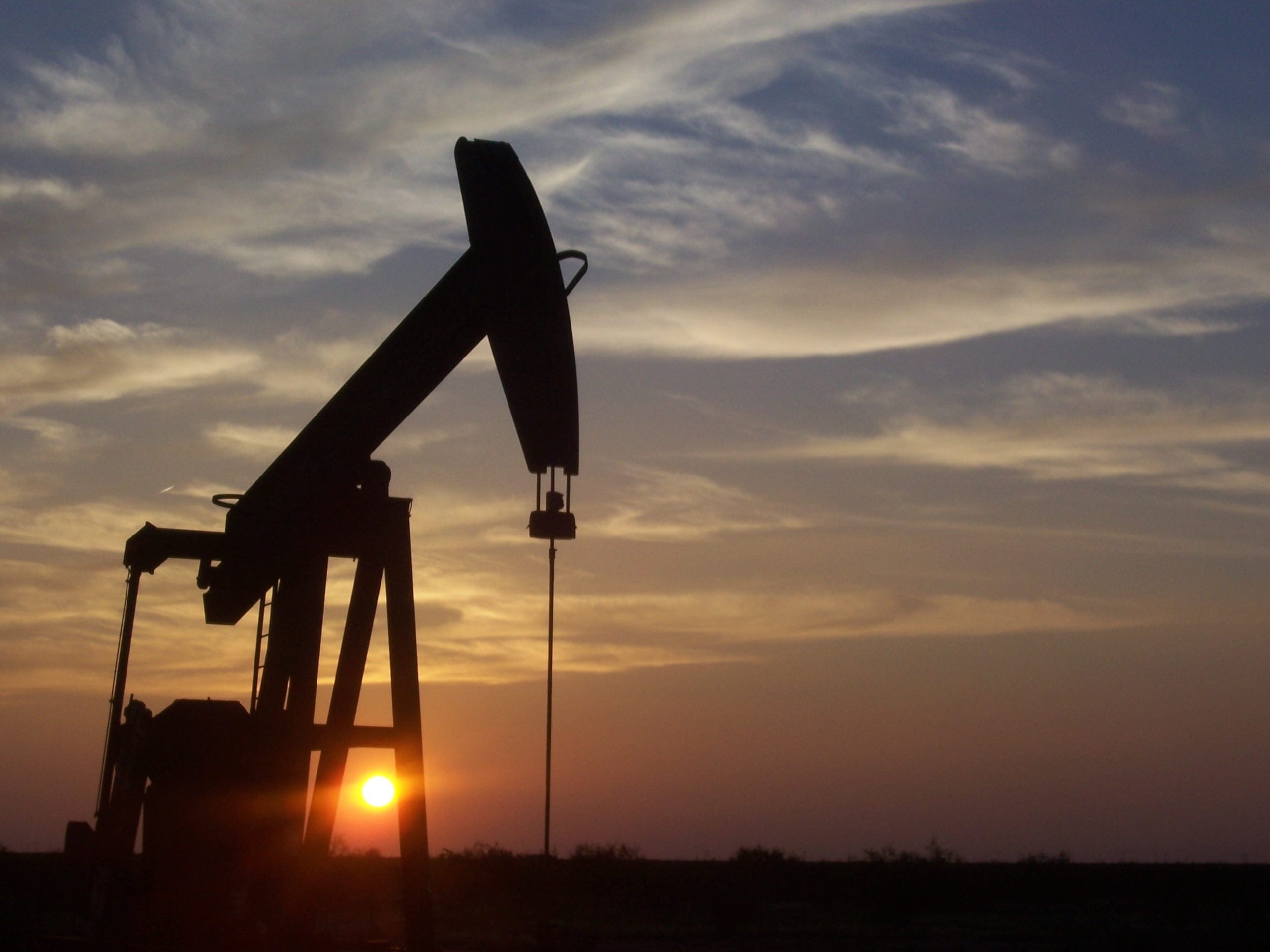
Faced with these uncontrolled fluctuations and the uncertainty caused by the blockade of the Strait of Hormuz, European countries have begun to adopt emergency measures. A prime example is Germany, which decided to release part of its strategic oil reserves in an attempt to stabilize the market. This decision is unusual because such measures are typically reserved for major crises. At the same time, the International Energy Agency coordinated an unprecedented effort, mobilizing hundreds of millions of barrels of oil to mitigate the impact of the disruptions. Meanwhile, other countries chose to intervene directly in the market. The second example is Hungary, which has introduced fuel price caps—a government measure intended to protect consumers, but one that carries the risk of causing shortages. Past experience has shown us that such policies can have adverse effects, including panic buying by citizens and market distortions. In the United States, gasoline and diesel prices have reached record levels, and this rise in fuel prices has quickly become a political issue. Authorities have been forced to take measures to limit the impact on the population. The temporary suspension of certain maritime transport regulations is an example of an intervention aimed at streamlining supply and reducing pressure on prices.
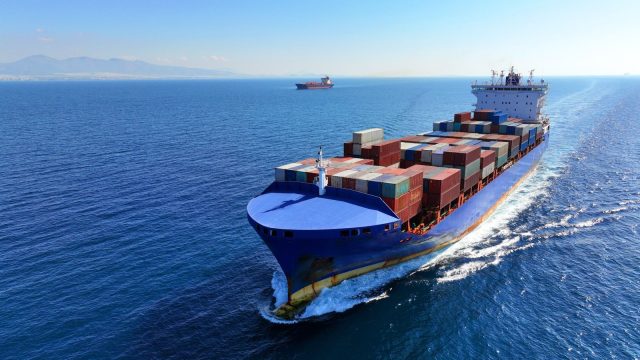
Unfortunately, the effects of the conflict in the Middle East are not limited to the energy sector. Global trade is beginning to feel the impact through disruptions in maritime transport, rising costs, and the general uncertainty affecting trade flows. International organizations warn that the pace of trade growth could slow significantly, and some regions could be affected more than others. A particularly worrying scenario is that of a prolonged blockade of the Strait of Hormuz, because in such a case, not only would the flow of oil and gas be affected, but other sectors as well, including agriculture. The shortage of fertilizers and rising production costs could lead to a food crisis in certain regions of the world. Thus, what began as a regional conflict is slowly but surely turning into a global problem because the world economy functions as an interconnected system, and disruptions in one area quickly spread to others. In this context, the war in the Middle East becomes not only a geopolitical issue but also a major economic one.
Inflation, uncertainty, and the future of the global economy
In the medium and long term, the greatest challenge posed by this crisis is inflation. Rising energy prices have a direct effect on inflation, but also an indirect one, through increased costs in other sectors. Economic experts warn that a 10% increase in oil prices could lead to a significant rise in inflation in the eurozone. Depending on how the conflict unfolds, there are several possible scenarios. In the most optimistic scenario, energy prices stabilize relatively quickly, and the impact on the economy is limited. In more pessimistic scenarios, however, a prolonged rise in prices could lead to economic stagnation combined with inflation, a phenomenon known as stagflation. For central banks, this situation is extremely difficult. On the one hand, they must control inflation by raising interest rates; on the other hand, such a measure can slow down the economy and exacerbate existing problems. The balance is fragile, and decisions must be made with great care.
In Europe, this dilemma is even more pronounced because dependence on energy imports (gas and oil) makes the economies of European Union member states more vulnerable to external shocks. At the same time, the already high level of inflation limits the monetary authorities’ room for maneuver. Another key factor is confidence, as financial markets operate on the basis of expectations, and uncertainty can have destabilizing effects. Investors are becoming increasingly cautious, withdrawing capital from certain sectors, and uncertainty will grow. Under such conditions, even minor news can have a major impact.
From a social perspective, the effects are equally significant. Rising energy and food prices will particularly affect vulnerable groups, leading to economic inequalities that may worsen, and social tensions may rise. Governments are thus faced with a dual challenge: managing the economic crisis and maintaining social stability. Looking ahead, this crisis could also have structural effects by accelerating the transition to alternative energy sources and prompting countries to rethink their energy strategies. Diversifying supply sources and investing in renewable energy are becoming not just options, but necessities. At the same time, international relations could undergo significant changes as alliances may be reconfigured and competition for resources could intensify. In a world where energy is a strategic resource, control over it becomes an instrument of power. That is why the war in the Middle East should not be viewed merely as a temporary oil crisis, but rather as a true test of the global economy’s resilience; and the way in which states, institutions, and financial markets respond to this challenge will determine not only the short-term trajectory but also the long-term direction of the global economy.