





 Subscribe


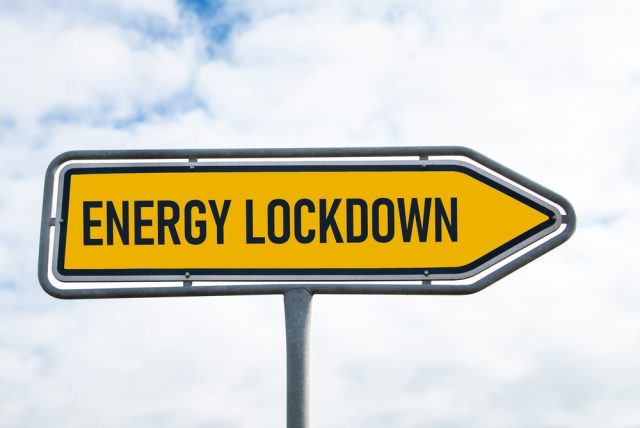
In less than five years, humanity has “evolved” from “a return to normal won’t happen anytime soon”… to “a return to normal won’t happen anytime soon.” Five years ago, in the midst of the COVID-19 pandemic, we all asked ourselves: when will we return to normal? The answers varied: from “we will never return to the way things were” to “not in the near future.” We hear the same question and the exact same answers today, as more and more voices speak of the most difficult energy crisis humanity has ever faced.
Five years ago, the global health crisis made a return to normality “impossible” and “forced” the implementation of very strict, even insane, restrictions, most of which were directly related to population mobility. Today, the worsening deterioration of the global energy market will make a return to normality, of course, “impossible” and will soon force a drastic rationing of consumption. What seemed like an exceptional measure has become the “solution” mentioned consistently.
Calls to urgently ration energy consumption are not exactly new—quite the contrary. It does not take much effort to recall the narrative surrounding climate change and how “important” it is to limit resource consumption in order to save the environment.
“Stay home, save lives!” of 2020–2021 seems to be turning into “stay home, save the energy system!” today. The propaganda is working perfectly, just as it did during the pandemic at the start of the decade. This seems to be the new normal, but it is neither new nor, certainly, normal.
To save the planet, we are now advised to telework or at least to stop using our vehicles to get to work. It is the same kind of rhetoric, spoken by the same “experts,” who teach us at every opportunity (i.e. crisis) what the recipe is for saving the planet.
Pay attention to the statements made a few days ago by European Commissioner for Energy Dan Jørgensen. “We need to avoid fragmented national responses and disruptive signals to the market to prevent a further deterioration of supply and demand conditions,” Jørgensen told members of the press. A call for a joint and unified response. It is astonishing—or perhaps not—how similar these statements are to those made by policymakers few years ago.
How many times did we hear about the urgent need for member states to provide a comprehensive, coordinated, and unified response—one, of course, strongly recommended by Brussels—to the health crisis that was escalating? Far too many times. Just like now. “Now more than ever, it is extremely important that we act together,” stated the Commissioner for Energy. Just like during the sanitary crisis pandemic.
The main concerns revolve around fuel consumption, which must be carefully managed. According to Dan Jørgensen, “The more you can do to save oil—especially diesel and jet fuel—the better off we’ll be.”
To make it simple, leave your cars in the garage, stop buying plane tickets, make sacrifices in the name of a much “higher” ideal. Your individual desires, needs, or rights don’t matter; what matters is that you comply with official “recommendations.” Because, in fact, you have no choice.
The answer to any deadlock seems to be unity in coordination. Let’s act together to save humanity from itself. That is how one might translate the repeated statements, in various forms, from European commissioners and other leaders who are constantly calling for coordinated responses.
What is “recommended” to us today will become mandatory tomorrow. We have played this drama before, not long ago. What is happening today is no different. The tune is the same. “Stay home, rationalize your resources.” Lockdowns are just around the corner.
Is it still possible to return to what we until recently called “normality”?