





 Subscribe


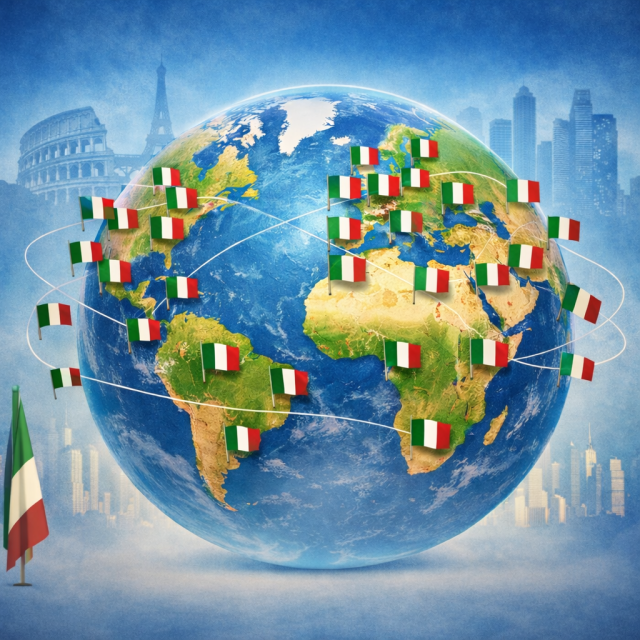
The XVIII Conference of Italian Ambassadors charts priorities for peace, growth, and international competitiveness
The XVIII Conference of Italian Ambassadors around the world opened in Rome at the Farnesina, marking a pivotal moment for Italy’s foreign policy in an increasingly complex international environment. Inaugurated by the Minister of Foreign Affairs, Antonio Tajani, the conference brought together more than 150 heads of Italian diplomatic missions for a comprehensive reflection on the results achieved over the past year and on the challenges that lie ahead. The opening ceremony was honored by the presence of the President of the Republic, Sergio Mattarella, underscoring the strategic importance of diplomacy as a cornerstone of Italy’s national interest.
The conference, held on Monday 15 and Tuesday 16 in Rome, featured high-level participation from members of the Italian government and prominent international figures. Among them were the German Minister of Foreign Affairs, Johann Wadephul, and the Managing Director of the International Monetary Fund, Kristalina Ivanova Georgieva. Their contributions highlighted the central role of multilateral cooperation and dialogue in addressing global economic and geopolitical uncertainties.
At the heart of the discussions was an assessment of Italy’s diplomatic action in support of peace and security across multiple crisis theaters. Particular attention was devoted to humanitarian initiatives, especially in relation to the crisis in Gaza, reflecting Italy’s commitment to alleviating human suffering while promoting political solutions through international cooperation. These efforts were presented as integral to a broader vision of responsible and proactive diplomacy.
Beyond crisis management, the conference placed strong emphasis on economic diplomacy and the protection of Italian businesses abroad. In a global context marked by trade distortions and rising protectionism, Italy’s diplomatic network is increasingly called upon to support growth, defend fair trade principles, and promote the competitiveness of the national economic system. A key instrument in this strategy is the Action Plan for Italian Exports worldwide, designed to strengthen the international presence of Italian companies and to open new markets for “Made in Italy” products.
This year’s conference adopted an even more operational approach than in the past, reflecting the profound transformations underway within the Ministry of Foreign Affairs. The reform of the Farnesina, set to enter into force on January 1, 2026, will provide new tools and organizational structures for Italy’s foreign policy. Against this backdrop, ambassadors were invited to engage in practical discussions on how to maximize the effectiveness of these instruments in advancing Italy’s strategic interests.
The working sessions addressed a wide range of pressing global challenges. Migration flows and their political, social, and humanitarian implications were discussed alongside issues of energy security and supply diversification. Special focus was placed on the new frontiers of diplomacy in the cyber and digital age, acknowledging how technological change is reshaping international relations, security dynamics, and economic competition. Other sessions examined the main international crises and explored ways to enhance Italy’s global projection and attractiveness as a destination for investment, tourism, and cultural exchange.
The conference will then move to Milan on Wednesday 17 and Thursday 18 December, where it will take on the character of a National Conference on Export and the Internationalization of Enterprises. The third edition of this event will further strengthen the link between diplomacy and economic growth, reinforcing the idea that foreign policy and industrial competitiveness are increasingly interconnected.
On Thursday 18 December, the delegation of the Ministry of Foreign Affairs will participate in a conference at the Catholic University of the Sacred Heart in Milan dedicated to the internationalization of the Italian university system. This initiative reflects the growing importance of academic diplomacy and international education as tools for enhancing Italy’s soft power and long-term global influence.
The program will conclude with a meeting at Palazzo Mezzanotte, the headquarters of Borsa Italiana. There, Italian ambassadors will engage in discussions on the relationship between finance, diplomacy, and growth, focusing on how to strengthen the international competitiveness of Italian companies. This final event symbolizes the holistic approach of the conference: bringing together diplomacy, economics, education, and finance to build a more resilient and dynamic “Sistema Italia” on the global stage.
Overall, the XVIII Conference of Italian Ambassadors stands as a key moment of strategic alignment, reaffirming Italy’s commitment to peace, multilateralism, and sustainable growth in a rapidly changing world.
Alessandro Fiorentino