





 Subscribe


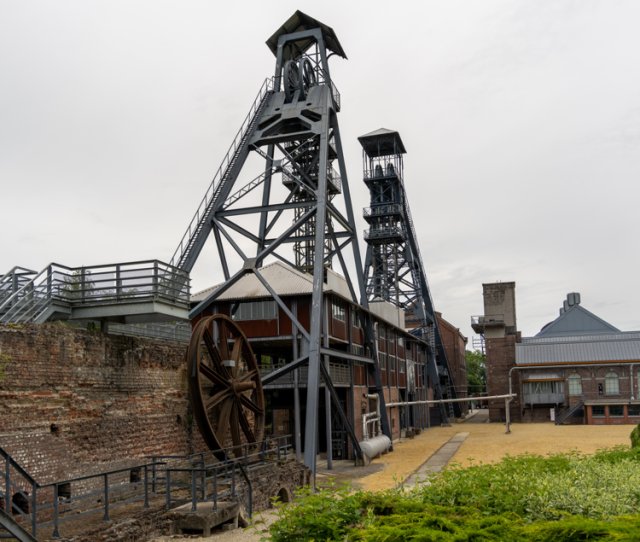
On August 8, 1956, in the Bois du Cazier mine in Marcinelle, Belgium, a fire at a depth of 975 meters claimed the lives of 262 miners. Among them, 136 were Italian.
Seventy years later, the memory of that tragedy has not faded. As they do every year, institutions, associations, and local communities gather through conferences, commemorations, and theatrical readings to keep the memory alive. But Marcinelle is not just a mournful page of the past: it is the painful pillar supporting the history of Italian emigration and the construction of modern Europe.
The “Arms for Coal” Agreement
In the aftermath of World War II, Italy was an impoverished country starved of resources, while Belgium lacked the manpower needed to extract the fuel for its economic and industrial recovery. Thus, the tragic and famous bilateral agreement of June 23, 1946—the “man-coal” pact—was born.
Italy committed to sending thousands of young, healthy laborers per month to Belgium; in exchange, Brussels guaranteed tons of coal at discounted prices.
Workers arrived with cardboard suitcases and high hopes, only to be met with grueling shifts, the black dust of the tunnels, and freezing barracks—often former World War II prisoner-of-war camps.
THE MAN-COAL AGREEMENT (1946)
- ITALY: Sent 2,000 workers/week (young and healthy < 35 years old)
- BELGIUM: Provided 200 kg of coal per day per worker
The Invisible Contribution to the Birth of the European Community
Italian miners were not seeking glory, but daily bread. Yet, their underground work was the lifeblood that allowed the newly formed ECSC (European Coal and Steel Community, created in 1951) to take its first steps.
Without that coal, extracted at the cost of immense human sacrifices, the industrial reconstruction of the continent and European economic integration would have suffered severe delays. Those men, arriving from every region of Italy, were for all intents and purposes among the very first real builders of a united Europe.
From “Foreigners and Undesirables” to Human Beings
Before 1956, the lives of Italian emigrants in Belgium were marked by rigid discrimination. Signs outside venues even read “No entry to dogs and Italians”. Immigrants were viewed merely as cheap labor, interchangeable cogs in an indifferent industrial machine.
The catastrophe at Marcinelle shocked Belgian and global public opinion. The images of desperate rescue attempts and the tears of Italian and Belgian widows united by the same agonizing pain outside the mine gates suddenly tore down every barrier and prejudice.
Faced with death and the dignity of sacrificed labor, Belgian society had to reckon with its conscience: Italian emigrants stopped being just a number for coal and were finally recognized as human beings.
The Legacy of Marcinelle
The tragedy led to the suspension of emigration agreements with Italy and pushed the European Community to introduce the first real directives and regulations on workplace safety.
Remembering Marcinelle 70 years later means honoring the sacrifice of those who suffered underground and reaffirming a fundamental principle: no economic growth or political project can be built at the expense of human dignity, safety, and fundamental rights.