





 Subscribe


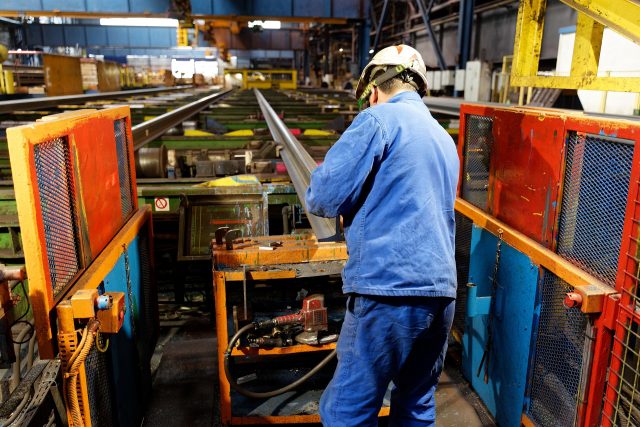
ITUC report warns that labour protections are weakening across democratic societies, raising concerns for the future of social dialogue in the European Union
The European Union has long presented itself as a global champion of social protections, collective bargaining, and workers’ rights. Yet a new international assessment suggests that even Europe’s established democracies are facing growing challenges in safeguarding the freedoms and protections that underpin modern labour relations.
According to the 2026 Global Rights Index published by the International Trade Union Confederation (ITUC), labour rights have deteriorated across many parts of the world, including regions traditionally regarded as strongholds of democratic governance. Europe and the Americas recorded their weakest overall performances since the index was first introduced more than a decade ago, highlighting a trend that has increasingly attracted the attention of policymakers, trade unions, and civil society organizations.
The report paints a picture of mounting pressure on workers and labour organizations. Across numerous countries, employees face obstacles when attempting to organize, negotiate collectively, or participate in industrial action. In many cases, these difficulties are linked to broader political and economic transformations, including the expansion of digital monitoring technologies, changing labour markets, and increasingly polarized political environments.
For the European Union, the findings arrive at a sensitive moment. Brussels has spent years promoting a social model designed to balance economic competitiveness with strong worker protections. Initiatives such as the European Pillar of Social Rights have sought to reinforce standards relating to employment, wages, working conditions, and social inclusion. However, the latest data suggest that significant disparities remain among member states and that some protections cannot be taken for granted.
Several European countries were highlighted for restrictions affecting labour organization and collective representation. In some cases, unions reported interference in organizing activities, while concerns were also raised regarding limitations placed on demonstrations and industrial action. These developments have contributed to a perception that labour rights are becoming increasingly vulnerable even within advanced democracies.
France, one of the EU’s largest economies, experienced a notable decline in its rating. The country’s score worsened amid reports of tensions surrounding labour protests and growing concerns over restrictions affecting trade union activities. The deterioration is particularly significant given France’s historic role in shaping European social protections and workers’ movements.
Spain, Poland, Estonia, and the Netherlands were also cited in relation to challenges affecting the ability of workers to organize freely. While the circumstances differ from country to country, the report suggests that obstacles to collective action remain present even in nations with mature democratic institutions.
Italy presents a more nuanced picture. The country maintained its previous rating, indicating recurring but not systemic violations of labour rights. Nevertheless, the report recalls incidents that have raised concerns among labour organizations, including attacks directed at trade union institutions and debates surrounding restrictions linked to strike-related demonstrations. For many observers, these episodes underline the importance of maintaining vigilance in defence of democratic participation within the workplace.
Beyond Europe, the report highlights a broader international deterioration. The United States was placed under increased scrutiny because of concerns relating to collective bargaining rights and the treatment of workers engaged in labour disputes. Elsewhere, several countries experienced dramatic declines, reflecting wider global instability in the field of labour rights.
One of the most worrying findings concerns the increase in violence directed at workers and union representatives. According to the report, incidents of violence have become more common in several regions, reinforcing fears that social tensions are translating into direct threats against labour activism. Such developments have prompted calls for stronger protections and more effective enforcement mechanisms.
For the European Union, the challenge extends beyond labour policy alone. The debate increasingly intersects with broader questions about democratic resilience, social cohesion, and economic fairness. Strong labour institutions have historically played a crucial role in reducing inequality, supporting stable industrial relations, and ensuring that economic growth benefits a broad section of society.
As Europe navigates a period marked by geopolitical uncertainty, technological transformation, and economic competition, the protection of workers’ rights may become an increasingly important measure of democratic health. The findings of the ITUC report serve as a reminder that preserving social dialogue and guaranteeing fundamental labour freedoms remain essential tasks for European institutions and national governments alike.
The coming years will reveal whether the European Union can strengthen its social model and reverse these troubling trends. For many policymakers, employers, and workers, the answer will help shape not only the future of labour relations but also the broader character of European democracy itself.
Alessandro Fiorentino