





 Subscribe


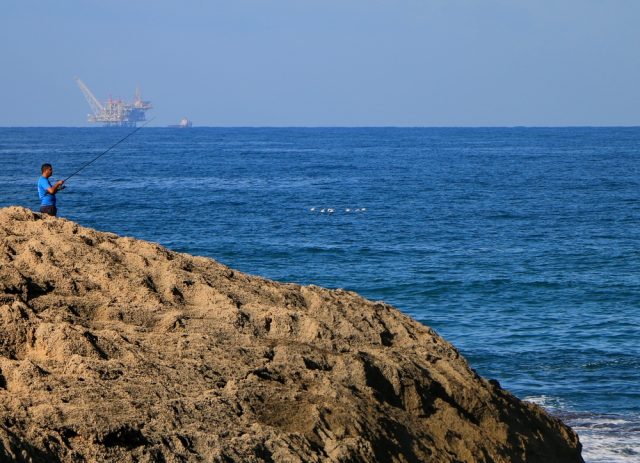
In recent years, the European energy system has undergone a profound transformation, driven by the need to reduce dependence on traditional sources of supply and strengthen supply security in an international context characterized by growing geopolitical instability. The progressive reduction in gas imports from Russia, resulting from shifts in the international political and economic balance, has pushed European countries to seek new energy partners and redefine their supply strategies, with the aim of ensuring greater supply continuity and greater resilience of the continental energy system. This process has led to a shift in supply focus toward the Mediterranean, an area that has acquired growing strategic importance in recent years thanks to the presence of significant natural resources, the development of new transport infrastructure, and the potential for strengthening energy cooperation between Europe, North Africa, and the Eastern Mediterranean. In this scenario, both the strengthening of relations with Algeria, a historic energy partner of Italy and the European Union, and the launch of the exploitation of natural gas resources located in the Eastern Mediterranean are particularly important. These resources are destined to increasingly contribute to European energy security and shift the regional balance of the sector. Among the most significant projects of this new phase is the development of the Cronos field, located offshore Cyprus, an initiative that represents a particularly significant step in the island’s energy history. Thanks to this project, Cyprus is preparing to join the ranks of natural gas producing and exporting countries for the first time, leveraging its marine resources and strengthening its role in the Eastern Mediterranean energy landscape. At the same time, Algeria continues to confirm its position as Italy’s main supplier, making a crucial contribution to the construction of an increasingly diversified and resilient supply network, less exposed to the risks arising from potential supply disruptions from individual geographical areas. The evolution of these two processes highlights how European energy security is increasingly based on a plurality of routes, suppliers, and infrastructures, capable of ensuring greater flexibility to the system and strengthening the continent’s strategic autonomy in the long term.
THE CRONOS PROJECT AND THE DEVELOPMENT OF CYPRUS GAS
Development of the Cronos field began after Eni and TotalEnergies, each holding a 50% stake in Block 6 offshore Cyprus, adopted the Final Investment Decision, allowing the project’s construction phase to begin. This initiative represents the first development of a natural gas field in Cyprus’ history and is expected to release its first supplies to the market by 2028. The field was identified in 2022 and subsequently confirmed through appraisal activities concluded in 2024. It is located in deep waters, approximately 185 kilometers off the island’s southwest coast, and contains over three trillion cubic feet of gas initially in place, a quantity that highlights its strategic importance for the area’s energy future. The project involves the construction of four subsea wells, designed to guarantee a daily production of approximately 500 million cubic feet of natural gas, equivalent to approximately 2.8 million tons of liquefied natural gas (LNG) annually. These volumes will contribute to international markets, particularly the European one, strengthening the availability of alternative supply sources.
INFRASTRUCTURE INTEGRATION WITH EGYPT
One of the most innovative aspects of the project is the choice to utilize existing infrastructure, a solution that significantly reduces development times, reduces the required investments, and limits the environmental impact compared to building a new production chain. The gas extracted from the Cronos field will be transported via a subsea connection to Egypt, where it will be processed using the already operational facilities of the Zohr field, operated by Eni. The fuel will then reach the Damietta liquefaction terminal, also located in Egypt, where it will be transformed into LNG for export to international markets, with a particular focus on European demand. The use of existing infrastructure is a key element of the industrial strategy adopted by Eni and TotalEnergies, which focuses on investments characterized by high economic competitiveness, low costs, and lower emissions. This approach allows for the valorization of existing assets, avoiding duplication of infrastructure and promoting greater overall sustainability of the project. The operational launch of the project was also made possible by the completion of the institutional and contractual framework. Following the agreement signed in February 2025 between the governments of Cyprus and Egypt, all the necessary commercial agreements have been finalized regarding the use of the Zohr offshore infrastructure, the transit of gas through Egyptian territory, liquefaction at the Damietta plant, and the subsequent marketing of the LNG on international markets. According to Eni CEO Claudio Descalzi, Cronos represents a concrete step toward transforming Cyprus into a new European natural gas producer and exporter and is a cornerstone for the creation of a future energy hub in the Eastern Mediterranean. For TotalEnergies, the project is also strategically important, contributing to the expansion of its LNG portfolio, which the company intends to increase to approximately 60 million tons annually by 2030. For Eni, the initiative further consolidates its presence in the Eastern Mediterranean by leveraging the synergies built over the years through the development of the Egyptian Zohr field.
ALGERIA AND ITALIAN SUPPLY SECURITY
While the Cyprus project represents a future prospect, Italy’s energy security continues to rely significantly on supplies from Algeria. President Abdelmadjid Tebboune confirmed that Italy is the largest European buyer of Algerian gas, ahead of Spain and France, although he did not disclose the quantities destined for the Italian market. The energy sector also continues to be a key instrument of Algeria’s economic and diplomatic policy. The strengthening of bilateral cooperation was also confirmed by the telephone conversation between the Algerian President and Prime Minister Giorgia Meloni, during which the desire to further intensify the strategic partnership in the energy, industrial, and economic sectors was reiterated. Topics discussed also included initiatives under the Mattei Plan for Africa, with particular reference to the “Enrico Mattei” Center of Excellence in Sidi Bel Abbès, which aims to promote training and innovation in the agricultural sector.
ITALIAN SUPPLY DIVERSIFICATION STRATEGY
Ongoing developments outline an Italian energy strategy increasingly focused on diversifying supply sources. On the one hand, Algeria continues to ensure stable supplies through the TransMed pipeline and through LNG exports; on the other, Cyprus’s entry into the list of producing countries will further expand the range of sources available along the southern Mediterranean corridor. Italy imports approximately 95% of its natural gas consumption and, after drastically reducing its dependence on Russia, has built a significantly more diversified supply system. Algeria is currently the main supplier, covering approximately 36% of imports through the TransMed pipeline. Azerbaijan follows, contributing approximately 16% through the Trans Adriatic Pipeline (TAP), the United States through LNG, and Northern European countries, particularly Norway and the Netherlands, as well as Qatar and Libya. From an economic standpoint, the cost of the various supply sources varies significantly. Gas transported via pipeline from Algeria and Azerbaijan is generally more competitive because it does not require the liquefaction, maritime transport, and subsequent regasification operations required for LNG. LNG, which comes primarily from the United States, Qatar, and other international exporters, has higher average costs and is more exposed to international price fluctuations, geopolitical risks, and the logistical challenges of naval transport. Recent tensions in the Strait of Hormuz have highlighted how routes from the Gulf can be vulnerable to disruptions and sharp cost increases, further strengthening the strategic importance of the Mediterranean as a prime area for European energy supplies. In this scenario, the Cronos project takes on a significance that goes beyond the simple opening of a new field. It represents one of the elements destined to redefine the European energy landscape, consolidating a system of interconnections linking Cyprus, Egypt, Algeria, and Italy and strengthening our country’s role as a potential energy platform between North Africa, the Eastern Mediterranean, and the European market.