





 Subscribe


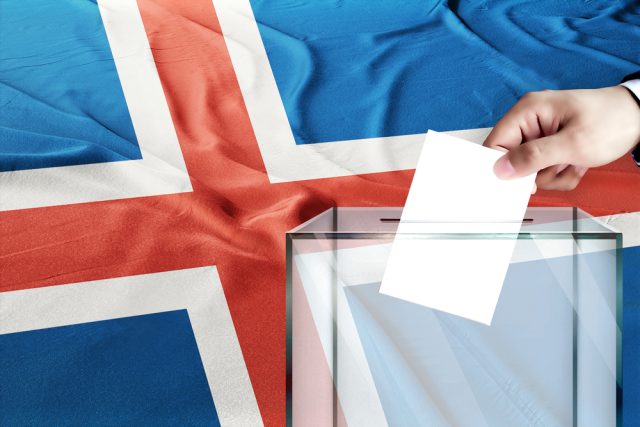
More than ten years after the Iceland’s EU accession process ceased, the center-left government in Reykjavik, led by Prime Minister Kristrún Frostadóttir, is organizing a referendum to ask Icelanders’ opinion regarding a restart of negotiations to join the Union. On August 29, the Icelandic citizens will be called to the polls to decide whether or not they agree about reopening negotiations with Brussels. This vote will not be about this North Atlantic small country’s formal admission to the EU, but rather one that could lead to the resumption of the necessary steps towards it.
The government in Reykjavík, which is looking for the Icelanders’ favourable vote, is led by a so-called “pro-European” coalition consisting of three left-wing and center-left parties – a situation virtually identical to that of 2009, when a coalition of three parties on the left of the political spectrum submitted Iceland’s application for EU membership.
The prospect of Iceland’s formal accession has once again become a matter of national – and, of course, European – interest amid discussions regarding the need to strengthen security in the face of potential external threats. Just as in 2009, when the government at the time sought rapid accession and adoption of the EU currency, which the pro-European camp considered “vital” for restoring financial stability in the aftermath of the economic crisis. While the left-wing government was willing to cede control over key monetary policy, the center-right government that followed took the opposite approach and put an end to the accession process that had begun a few years earlier.
Today, political forces sharing the same ideological orientation are appealing to external threats to national security – threats that, of course, would no longer exist if Iceland were to join the EU – in order to secure a favourable response in the August 29 referendum. A vote to reopen negotiations with Brussels would carry enormous weight should a future conservative government – following the upcoming parliamentary elections in November 2028 – choose sovereignty, cultural identity, and realism over an “integration” that would lead to the loss of these very values.
Iceland is by no means “disconnected” from the European Union, as the pro-integration left-wing camp suggests. Even though it is not technically part of the EU, Iceland is nonetheless a member of the European Economic Area and part of the Schengen Area. The lack of de jure membership in no way prevents this island nation from being part of the broader European family. When it comes to defense, even though it does not have its own armed forces, Iceland has been a member of NATO since day one, with a strong relationship with the United States through a 75-year-old bilateral agreement. Again, Iceland is by no means isolated in terms of national security.
The real question that Icelanders should answer in a few weeks is whether joining the European Union, with all its implications, is truly in the best interest of the Icelandic people and society. Why would Reykjavik be willing to accept the directives or regulations imposed by Brussels and the larger member states, or the transfer of authority that would impact vital sectors vital of the Icelandic economy, such as fishing? Why would Iceland be willing to pay the price of losing its sovereignty? A key advantage for Iceland is that, by not being an EU member – in fact, precisely because of this status – it has managed to retain control over its own policies, fiscal, economic, security and so on. This would no longer be possible if it were to become a de jure member of the European Union.
The warning issued by Guðrún Hafsteinsdóttir, opposition leader, should certainly not be ignored; as she points out, the decision to reopen accession negotiations must truly belong to the Icelandic people and not be influenced by external forces and pressures. According to current polls, the vote on August 29 will be very tight.