





 Subscribe


A basic idea for conservative people is that what has been will be repeated. There is nothing new under the sun, as the Old Testament book of Ecclesiastes says, and those lines were probably written as early as the 4th or 3rd century BC.
And what comes back is, among other things, man’s response to the challenges of human existence. Homo Sapiens is said to have existed as a species for at least 200,000 years. For that long, man has been in possession of roughly the same mental and cognitive abilities. For that long, wise individuals have been able to figure out how best to face adversity, disappointment, violence and loss. They have also been able to try to understand how we humans should live and think to maintain a common society.
Therefore, it is not remarkable that the wisdom that characterized such a successful culture as the Roman-Latin can be experienced as relevant even for posterity.
A while ago, a clip went viral on TikTok where it was discussed how often men think about the Roman Empire. The answer to the question often turned out to be “every day”. The Roman Empire and the Romans exert a strong attraction on modern men who often live much more domesticated and sedentary lives than Roman men did.
But it is probably not only the Roman conquests or the Roman buildings that should arouse our admiration, but also the Roman virtues.
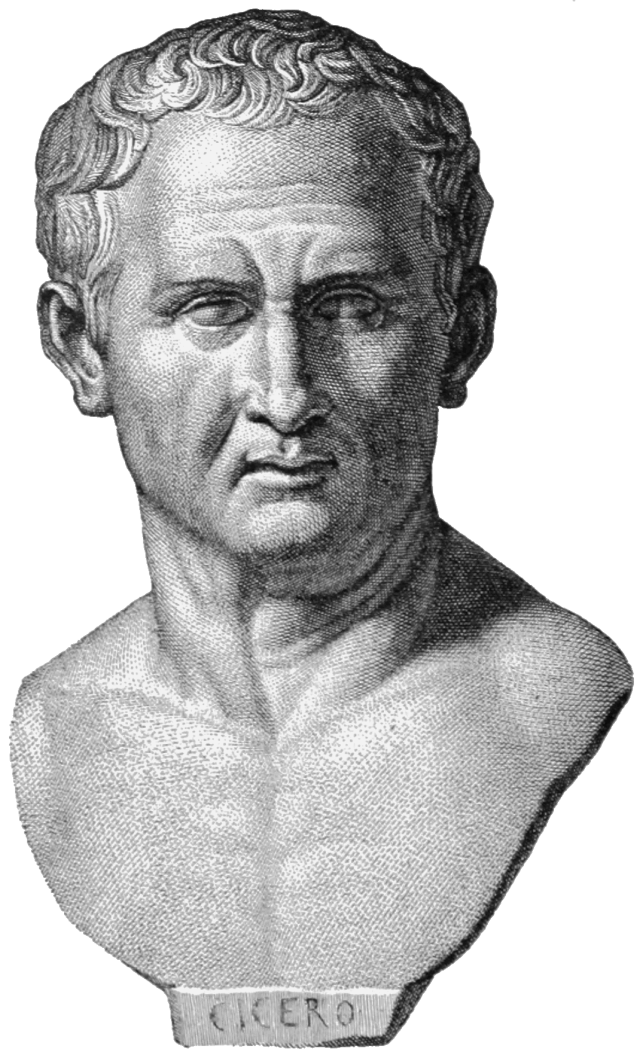
Not that I think we should imagine that all Romans were always so virtuous. “O tempora! O mores!” exclaimed Cicero in the Senate when he lamented the decline of customs (and virtues). But at least there were things that people could choose to incorporate into their lives if they wished.
The Roman virtues are usually summarized under the concept of “mos maiorum”: the customs of the elders or fathers. More precisely, a Roman would respect “fides” the faith, trust, credibility, but also loyalty to the family and society. “Pietas” was another important concept. Piety is about respect and reverence for the gods, the homeland, the parents and the family. “Religio” is the same word as our “religion”. And it was of course about the relationship with the very powerful gods. It was about showing them reverence, making sacrifices in their honor and more generally keeping them benevolent.
“Disciplina” was also an important virtue, especially in the very important military life. A Roman man should exercise self-control; he should not let himself be overwhelmed and weakened by desire or anger. Then, above all, men could also cultivate their “gravitas”, that is, the dignity that belongs to a man who behaves in a controlled manner and in accordance with virtues and customs.
“Constantia” was also an important concept. It was about perseverance, steadfastness, patience and mental strength, in relationships as well as work and military life. And then men could also enjoy the important quality “virtus”, which has given us our word virtue, but which for the Romans meant more masculine strength but also wisdom and discernment.
Why is this relevant to remind modern Westerners and perhaps especially contemporary Western men of these ideals of virtue? Perhaps because many seem to be in search of precisely this type of guideline in life. It is hard not to think of Jordan Peterson’s work here.
Jordan Peterson is perhaps more than anything else a modern moralist. He urges people to toughen up, to try, not to give in to impulses and simple pleasures.
And his message is quite grim. Life is hell. Chaos, sorrows and misfortunes await around every corner. And then we must be prepared to deal with them. And we do so, among other things, with the kind of virtues that the Romans celebrated.
Peterson is quite focused on the individual. The Romans also thought about the common. Religion and reverence hold people together in communities and across generations.
Perhaps many of us would do well with a combination. Personal strength and personal integrity are needed in an age when simple pleasures are just a click away on the mobile phone. But in the individualistic age we live in, we might also do well to cultivate our belonging to our family, our country and our traditional faith.