





 Subscribe


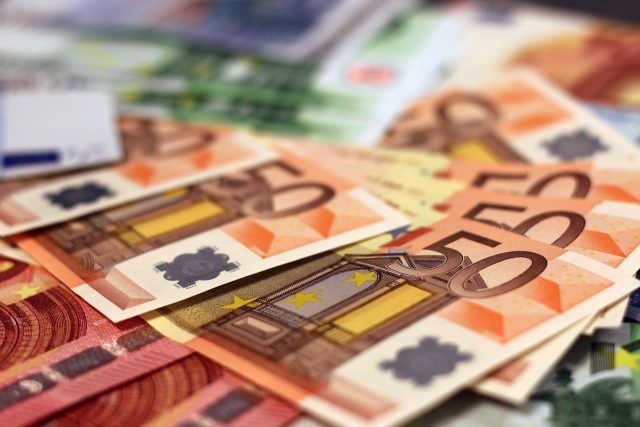
January 1, 2026, marked a turning point for Bulgaria, which officially adopted the euro as its single currency, becoming the twenty-first member state of the European Union to join the Eurozone. This transition comes almost twenty years after the country’s accession to the EU in 2007, and after a formal process of convergence that began in 2018. With this decision, over 350 million European citizens now share the same currency, further strengthening the continent’s economic integration.
THE FAREWELL TO THE LEV AND ITS SYMBOLIC MEANING
The introduction of the euro entailed the abandonment of the lev, the national currency whose name, meaning “lion,” is deeply rooted in Bulgarian history and identity. The transition also had a strong symbolic significance, celebrated with public initiatives. However, behind the celebratory aspect, the population has experienced the monetary change with mixed feelings, oscillating between expectations of growth and fears about the economic and social consequences.
THE ECONOMIC AND GEOPOLITICAL REASONS FOR MEMBERSHIP
Successive governments in Sofia have strongly supported Eurozone membership, identifying it as a tool to stimulate the economy of the country, considered the poorest in the Union in terms of gross domestic product per capita in 2024. Adoption of the euro has also been presented as a means of strengthening ties with the West and reducing Russia’s geopolitical influence in the Balkans. Brussels and the Bulgarian authorities share the expectation that the single currency will foster investment, financial stability, and greater integration into European markets.
COMPLIANCE WITH THE MAASTRICHT CRITERIA
From a technical and macroeconomic perspective, Bulgaria has met the four Maastricht criteria required for Eurozone membership. In 2024, the inflation rate stood at 2.7 percent, while public debt and the deficit respectively reached 24 percent and 3 percent of GDP, levels considered compatible with European rules. Exchange rate and long-term interest rate stability were also guaranteed. Thus, the conversion rate was irrevocably fixed at 1 euro equal to 1.95583 levs.
MAIN CONCERNS OF BULGARIAN CITIZENS
Despite compliance with economic parameters, a significant portion of the population is wary of the euro. According to the most recent surveys, nearly half of citizens declared themselves opposed to the changeover. The most widespread fear concerns rising prices, perceived as a direct consequence of the introduction of the new currency. This concern is fueled by concrete data: in the November preceding the adoption of the euro, food prices rose by 5 percent year-on-year, more than double the Eurozone average. In a country where over 21 percent of the population lives below the poverty line, even moderate price changes can have a significant social impact.
INFLATION, PERCEPTIONS, AND POLITICAL PROTESTS
Fear of inflation was further reinforced by a protest campaign against the euro that developed over the course of 2025, largely led by extremist groups. These mobilizations capitalized on a historically skeptical view of the single currency, widespread among large sectors of society. Added to this was the country’s chronic political instability: anti-corruption protests led to the government’s resignation in mid-December, leaving Bulgaria on the brink of its eighth election in five years. Many citizens fear that adopting the euro in such a fragile political context could exacerbate social tensions rather than alleviate them.
THE PRACTICAL DIFFICULTIES OF THE MONETARY TRANSITION
Alongside macroeconomic concerns, practical problems have also emerged during the transition phase. To facilitate the adjustment, the authorities introduced dual price display in lev and euro starting in August, and, in January, the acceptance of both currencies for cash payments. Despite these measures, fears of confusion and rounding unfavorable to consumers remain widespread.
FUTURE OUTLOOK AND OVERALL ASSESSMENTS
Bulgaria’s entry into the Eurozone has been defined by European institutions as a key step in the integration process. Expected benefits include greater price transparency, increased citizen mobility, and enhanced economic competitiveness. However, from a social perspective, the success of the transition will depend on the authorities’ ability to contain inflation, ensure political stability, and protect the most vulnerable segments of the population. The concerns expressed by Bulgarian citizens indicate that adopting the euro is not just a technical step, but a complex process that intertwines economics, politics, and collective trust in institutions.