





 Subscribe


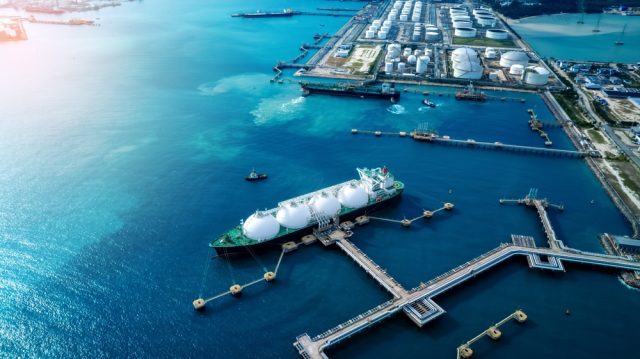
While Russian LNG flows persist across the EU, Italy strengthens diversification and resilience in a shifting energy landscape
The European debate over Russian gas has returned to the forefront as new data highlights a paradox: despite political tensions and the fallout from the 2022 energy crisis, Russian gas continues to reach European markets. Yet behind the headlines lies a more nuanced story—one in which Italy stands out not as a passive participant, but as a country that has adapted swiftly, strengthening its energy security while contributing to the continent’s broader transition.
According to recent figures, the European Union imported significantly higher volumes of Russian gas in March 2026 compared to the same month a year earlier—an increase of 38%. Much of this gas now arrives not through pipelines, but in liquefied natural gas (LNG) form, transported by sea. This shift reflects the geopolitical rupture of 2022, when pipeline supplies from Moscow were halted following Europe’s refusal to comply with payment conditions imposed by Russian President Vladimir Putin.
However, it is important to clarify that Russian gas purchases were never fully sanctioned by the EU. Instead, the interruption of flows was largely the result of political and contractual disputes. Long-standing “take-or-pay” agreements—binding importers to pay for gas even if they do not take delivery—have continued to shape market dynamics, particularly in the LNG sector.
In this context, Spain has emerged as the largest importer of Russian LNG within the EU, with imports reaching approximately €355 million in March alone—a sharp increase from the previous month. France and Belgium follow closely, while Hungary and Bulgaria continue to receive pipeline gas through the Balkan Stream corridor. These figures underscore the complexity of Europe’s energy dependencies, where legal obligations and infrastructure realities often outweigh political intentions.
Italy, for its part, presents a distinct and more forward-looking case. While it has not been entirely absent from these flows—having received limited quantities of refined fuels derived from Russian crude via third countries such as Turkey—its overall strategy has focused on diversification and independence. Since 2022, Rome has actively reduced its reliance on Russian gas, securing alternative supplies from North Africa, the Eastern Mediterranean, and global LNG markets.
This strategic pivot has not only enhanced Italy’s energy resilience but also positioned it as a key player in the Mediterranean energy corridor. Investments in regasification infrastructure, including floating storage and regasification units (FSRUs), have expanded the country’s क्षमता to handle LNG imports from a wide range of suppliers. At the same time, partnerships with countries like Algeria and Azerbaijan have strengthened pipeline diversification, ensuring more stable and politically reliable flows.
Moreover, Italy’s approach reflects a pragmatic understanding of the current energy transition. While the EU accelerates its push toward renewables, natural gas remains a crucial bridge fuel—particularly for industrial economies. Italy has managed this balance effectively, maintaining supply security without compromising its long-term decarbonization goals.
The broader European picture remains complex. Countries such as Spain, France, and Belgium are still bound by long-term LNG contracts with Russian suppliers, which are difficult to exit without significant financial penalties. These agreements explain the استمرار of imports despite political pressure to reduce them. Only with the gradual implementation of new EU sanctions—expected to take fuller effect in the coming months—will these contractual constraints begin to loosen.
Against this backdrop, Italy’s trajectory offers a model of adaptability. Rather than being locked into legacy dependencies, it has leveraged the кризис to accelerate structural reforms in its energy system. The result is a more diversified, flexible, and resilient framework—one that aligns with both national interests and European strategic autonomy.
In conclusion, while Russian gas continues to flow into parts of Europe, the narrative is far from one of uniform dependence. Italy demonstrates that it is possible to navigate this پیچیده landscape with foresight and determination. By combining diversification, infrastructure investment, and geopolitical pragmatism, the country is not only securing its own energy future but also contributing to a more balanced and resilient European energy system.
Alessandro Fiorentino