





 Subscribe


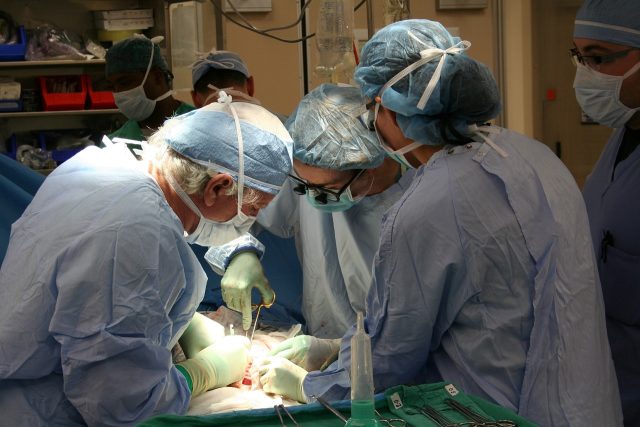
Biotech, medical devices reform and a Safe Hearts Plan aim to strengthen competitiveness, improve access to care and cut health inequalities across Europe
The European Commission has presented a wide-ranging package of measures designed to improve the health of EU citizens while reinforcing the long-term resilience and competitiveness of Europe’s healthcare sector. Announced yesterday, the initiative brings together a new Biotech Act, revised rules for medical devices and an ambitious Safe Hearts Plan to tackle cardiovascular diseases, the leading cause of death in the European Union.
Taken as a whole, the package reflects Brussels’ attempt to build a more modern, efficient and innovative health ecosystem, capable of delivering safe therapies and technologies to patients while also supporting growth in one of Europe’s most strategic industries. The Commission argues that stronger healthcare systems are not only a social priority, but also a cornerstone of Europe’s economic and technological sovereignty.
Unlocking Europe’s biotech potential
Biotechnology lies at the heart of the Commission’s strategy. It is one of the fastest-growing sectors in the EU, accounting for more than 900,000 jobs—three quarters of them in healthcare—and contributing close to €40 billion to the European economy. Yet, as highlighted in the recent Draghi report, Europe lags behind global competitors due to fragmented regulation, insufficient funding and persistent innovation bottlenecks.
The proposed Biotech Act aims to close this gap by supporting the transition of innovative ideas from the laboratory to the market. A key element will be the exploration of new financing and investment tools, including a pilot project for healthcare biotech investments developed in cooperation with the European Investment Bank Group. Targeted support for biomanufacturing is intended to strengthen Europe’s industrial base and reduce strategic dependencies.
Beyond funding, the Act seeks to make Europe a more attractive place to conduct research and production. It will incentivize companies to keep their activities within the EU, accelerate authorizations for clinical trials across all member states and speed up the development of cutting-edge therapies through the use of artificial intelligence, data and regulatory sandboxes. Simplifying EU rules and creating unified regulatory pathways for complex innovative products should also reduce costs and administrative burdens for companies. Ultimately, the Commission’s goal is to foster a globally leading health biotech industry capable of delivering tangible benefits to European patients.
Fighting Europe’s biggest killer
The Safe Hearts Plan addresses an equally urgent challenge. Cardiovascular diseases are the leading cause of premature death in the EU, claiming 1.7 million lives every year. Without decisive action, cases are expected to rise by 90% by 2050, while the economic cost already stands at an estimated €282 billion annually.
This is the first comprehensive EU-level approach to cardiovascular health, combining prevention, early detection and timely treatment. The plan focuses on empowering citizens with personalized tools and therapies to predict and prevent disease, while tackling major risk factors such as smoking, unhealthy diets and alcohol consumption. It also aims to close research gaps and better integrate health data, digital solutions and AI into national healthcare systems.
Given the wide disparities in premature cardiovascular mortality across member states, reducing health inequalities is a central pillar of the plan. The Commission will support countries in developing national cardiovascular health strategies, create dashboards to monitor inequalities and launch an incubator to accelerate the use of AI in cardiovascular care. Alongside public health benefits, the Safe Hearts Plan is also intended to stimulate innovation and growth in cardiovascular technologies, with clear targets set for 2035.
Simplifying rules for medical devices
The third pillar of the package focuses on medical devices, an area where the EU is already a global leader. The sector employs nearly one million people—mostly in small and medium-sized enterprises—and is worth around €170 billion. However, current EU rules have led to unnecessary costs, regulatory bottlenecks and delays that affect both companies and patients.
The Commission’s proposal aims to simplify legislation, digitalize procedures and provide a more coherent framework that responds to changing market conditions and patient needs. To speed up access and ensure continuity of supply, deadlines will be introduced for conformity assessments. The European Medicines Agency will be given a stronger coordinating role, including monitoring shortages and managing a new list of critical medical devices.
While maintaining patient safety as the top priority, the reform should enable faster access to safe and innovative devices and enhance Europe’s competitiveness. Uniform rules will also be ensured for medical devices that incorporate artificial intelligence. Overall, the Commission estimates annual cost savings of €3.3 billion, including €2.4 billion in reduced administrative expenses.
The road ahead
Executive Vice-President Teresa Ribera summed up the approach by stressing that strong healthcare systems are essential for a resilient Europe. Innovation, simpler processes and sustained investment, she said, are key to creating a modern, fair and dynamic health sector.
The legislative proposals on biotechnology and medical devices will now be submitted to the European Parliament and the Council for adoption. At the same time, the Commission will begin working with member states to implement the core objectives of the Safe Hearts Plan, marking a decisive step toward a healthier and more competitive Europe.
Alessandro Fiorentino